
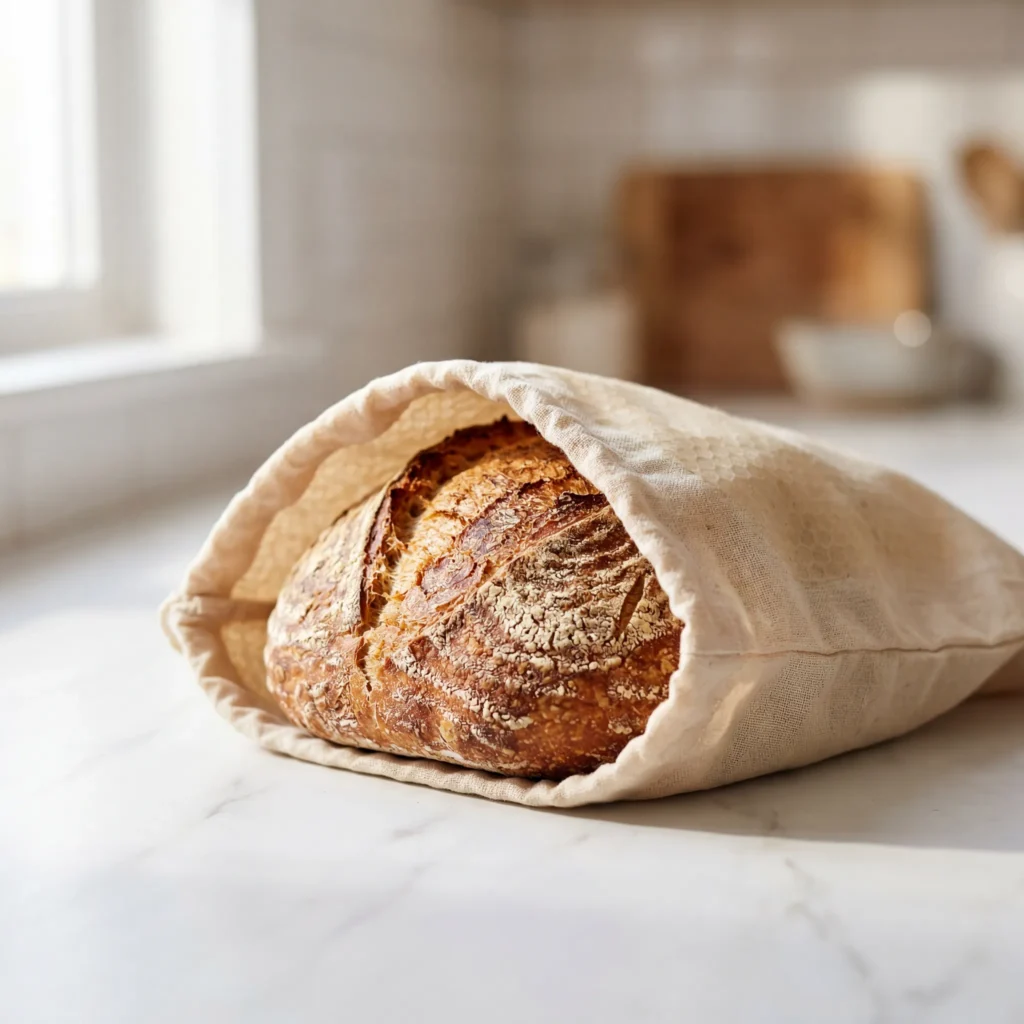
Fresh bread should be simple: buy it, slice it, enjoy it for a few days. But one wrong storage choice can turn a good loaf hard, damp, or stale much faster than expected. If you’re wondering how to keep bread fresh longer, the answer isn’t always “just use a bread box” or “throw it in the fridge.” The right method depends on bread type, texture, and how soon you’ll eat it.
Here’s what actually works.
The Short Answer: How to Keep Bread Fresh
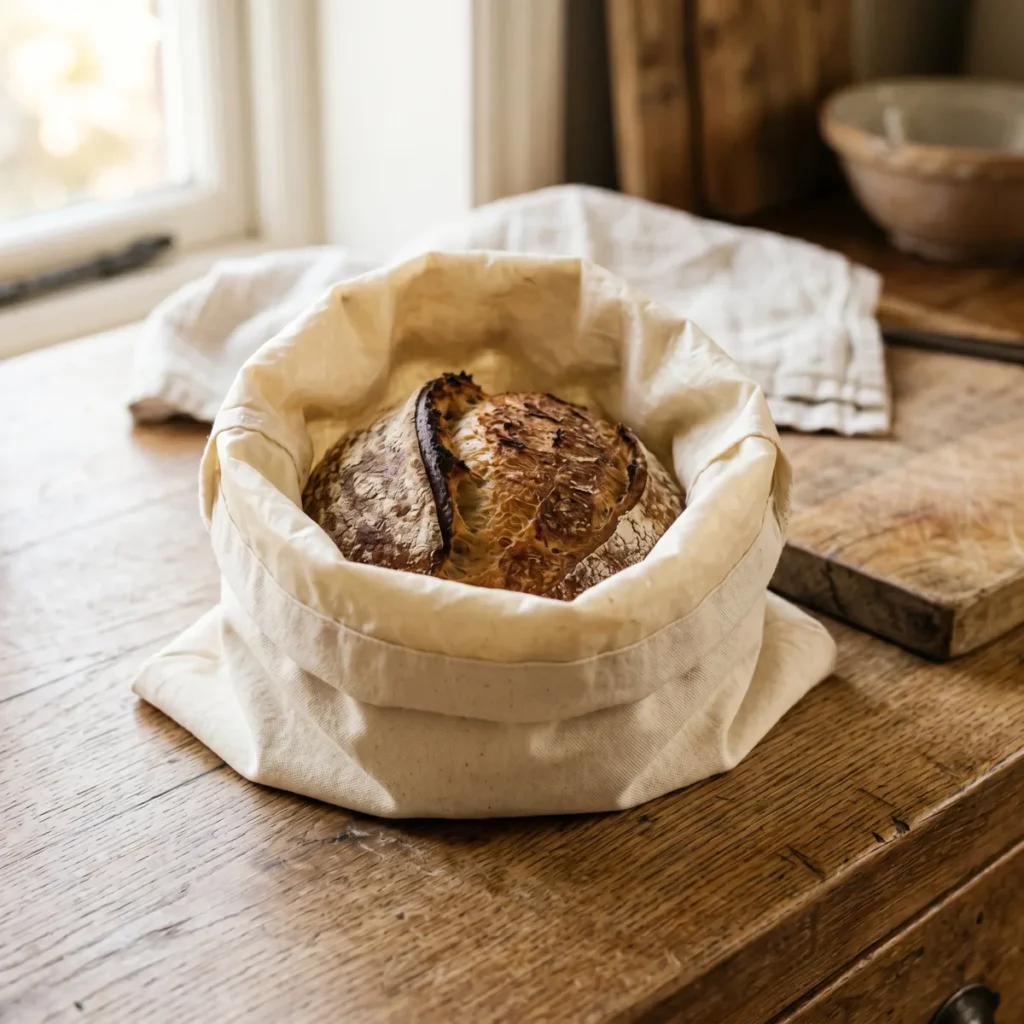
Most bread keeps its best texture for daily eating when stored at room temperature in a storage method that balances airflow and moisture. Breathable materials like beeswax-lined cotton bags or cloth help regulate humidity without sealing it in completely. Sealed plastic bags can trap moisture and may soften the crust sooner, while leaving bread uncovered allows it to dry out quickly.
Storage Method Comparison
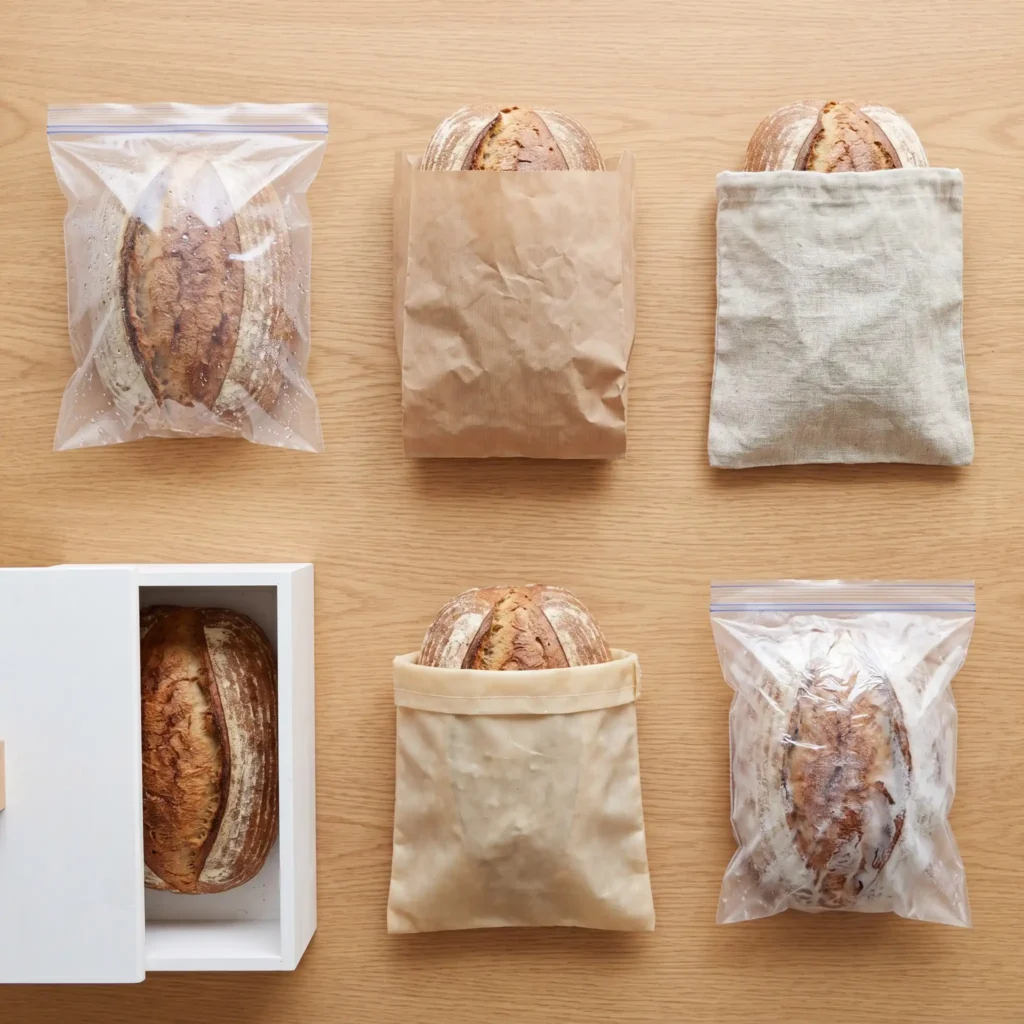
Different storage methods suit different needs. Here’s how the main options compare:
| Method | How it works | Useful for | Tradeoff |
| Open counter | Bread is fully exposed to air | Same-day eating | Crust and crumb can dry quickly |
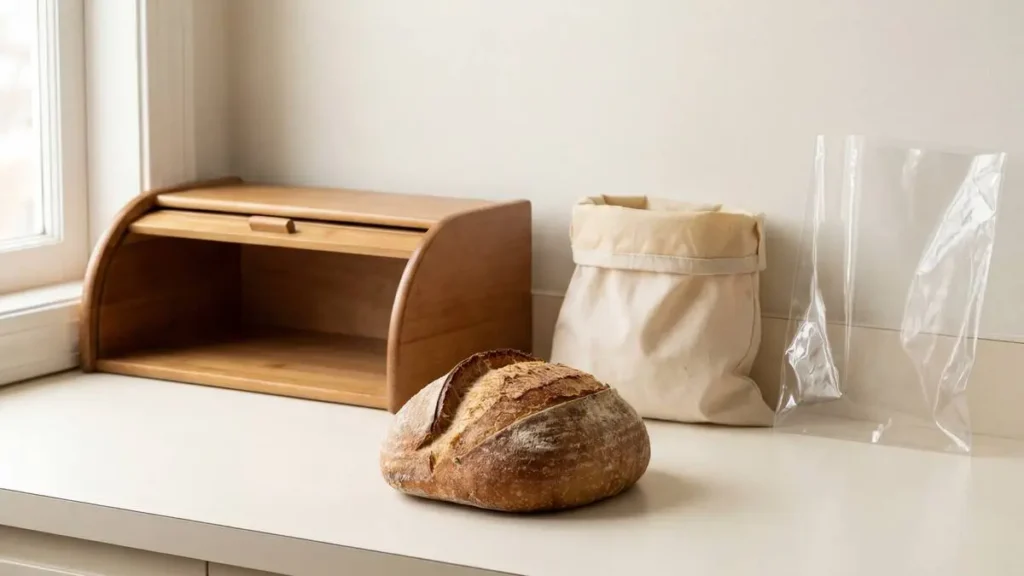
| Plastic bag | Traps moisture around the loaf | Soft sandwich-style bread | Can soften crusty breads |
| Paper bag | Allows airflow with light protection | Same-day crusty bread | May dry bread faster |
| Bread box | Shields bread from direct air and light | Countertop storage | Results vary by bread type and kitchen humidity |
| Plain cloth bag | Breathable fabric storage | Short-term artisan bread storage | May dry faster in low humidity |
| Beeswax-lined cotton bag | Breathable fabric with a wax coating | Daily artisan or crusty bread storage | Needs gentle care and should not hold hot bread |
| Refrigerator | Slows mold in some conditions | Very humid kitchens or emergency storage | Can accelerate staling and change texture |
| Freezer | Slows staling significantly | Longer-term storage | Requires wrapping and thawing |
The method you choose depends on how quickly you’ll eat the bread and what trade-offs you’re willing to accept.
Room Temperature Storage
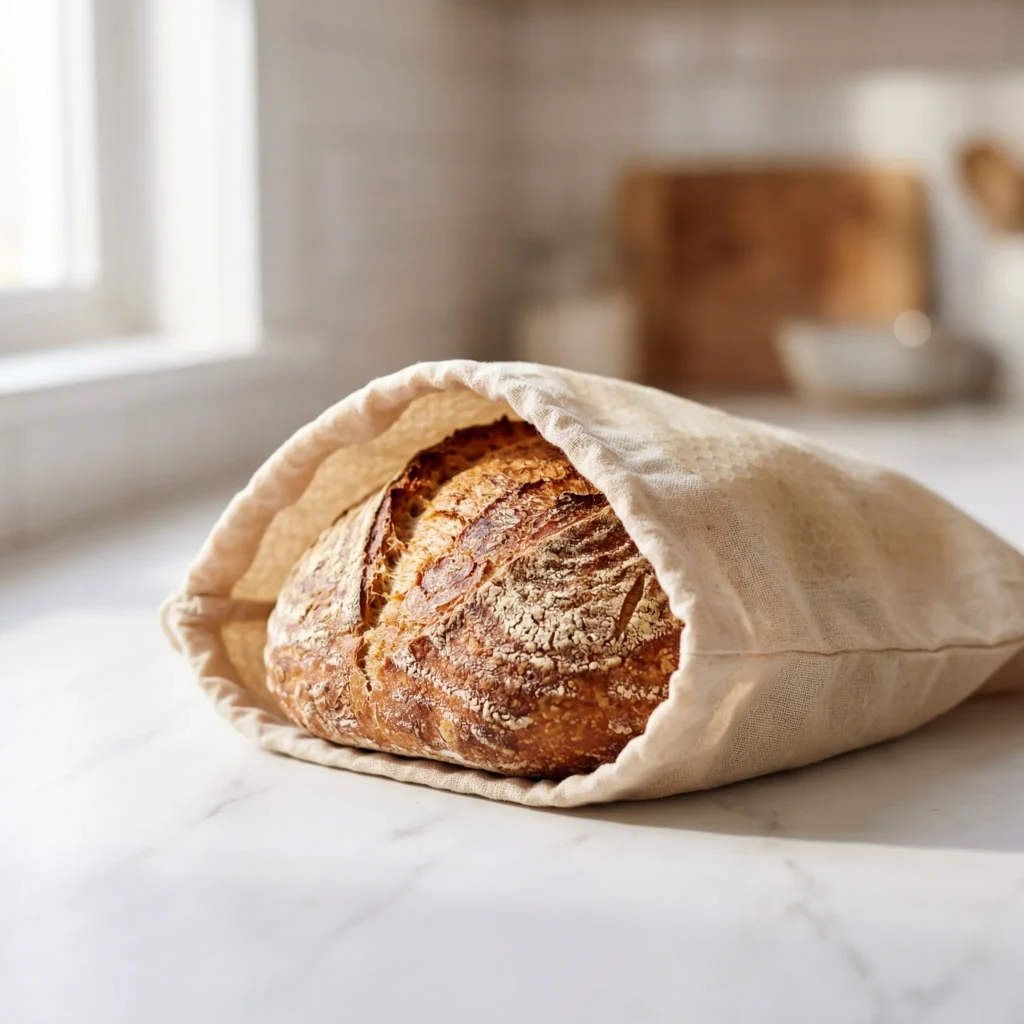
Room temperature storage works well when humidity stays moderate and you plan to eat the loaf within a few days. Moisture naturally evaporates from the crust over time, which is why bread left on a counter hardens as it sits. Breathable materials like beeswax-coated cotton or linen slow this process by allowing controlled airflow—enough to reduce trapped condensation, but not so much that the loaf dries out rapidly.
The key is balancing protection from air exposure with enough ventilation to prevent moisture from collecting on the crust. In very humid climates or during summer heat, room temperature storage may require closer monitoring. Baguettes and crusty artisan loaves benefit most from breathable room-temp storage, as sealed containers can make their crusts soft and rubbery.
If you’re trying to figure out how to store bread so it doesn’t go stale as quickly, room temperature with the right covering material usually delivers the best daily eating experience. For crusty European-style loaves or sourdough, this approach helps maintain that satisfying crust texture without drying out the interior too fast.
One of the more effective tools for managing bread freshness on the counter is a beeswax bread bag — here’s the mechanism explained.
Refrigerator Storage (Can Help With Mold Risk but Changes Texture)
Refrigeration can extend usable storage by slowing mold growth in some conditions, but it also accelerates staling through a process called starch retrogradation. The crumb can become drier and the crust harder, even though the bread technically lasts longer before molding. This trade-off makes sense in warm or humid kitchens where mold can appear sooner, or when you need to keep bread edible for extended periods.
For daily eating where texture matters, room temperature storage in a breathable bag often delivers better results. The fridge is a tool for preservation, not for maintaining that fresh-from-the-oven quality. If you do refrigerate bread, wrap it tightly to minimize exposure to the dry refrigerator air, and plan to toast it rather than eating it fresh.
Some people ask whether refrigeration helps with bread that’s already starting to get hard. Unfortunately, cold temperatures won’t reverse staling—they actually speed it up. Once starch molecules have begun to crystallize, refrigeration makes that process happen faster, not slower.
Freezer Storage (Best for Long-Term)
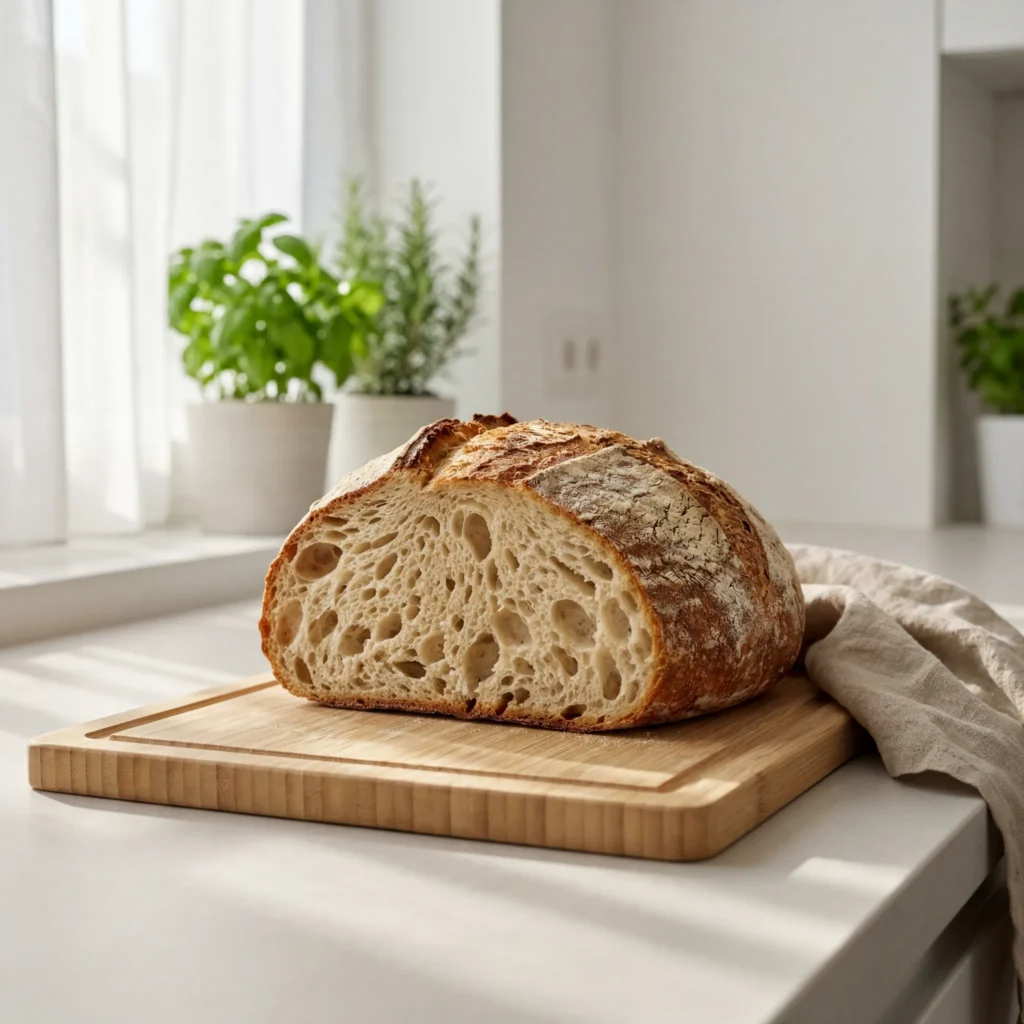
Freezing works well for long-term storage, particularly when you bake multiple loaves at once or won’t finish a loaf within a week. Slice the bread first, wrap tightly in plastic wrap or foil, and freeze for extended periods. Individual slices can be thawed at room temperature or toasted directly from frozen. Freezing slows staling dramatically, though it requires planning ahead and changes texture slightly upon thawing.
For daily ritual storage where you’re eating fresh-baked bread within a few days, room temperature methods often feel more natural. But if you’re storing bread for weeks or months, the freezer is your best option—far better than the refrigerator for preserving both texture and flavor.
One practical tip: if you buy or bake multiple loaves, freeze what you do not expect to finish soon. It’s easier to pull out frozen slices as needed than to watch an entire loaf go stale on the counter.
Why Bread Goes Stale—The Science
Bread staling happens through two main processes: moisture evaporation from the crust, and starch retrogradation in the crumb. When bread sits in open air, the crust loses moisture and hardens over time. When sealed in plastic, moisture migrates from the crumb to the crust, which can make the exterior soft or even damp while the interior dries out.
Breathable materials like beeswax-coated cotton allow controlled airflow. The coating slows moisture loss without sealing it in completely, which helps balance the humidity around the loaf. This is different from linen or uncoated cotton (which may dry the loaf faster in low-humidity environments) and plastic (which traps moisture and can create condensation).
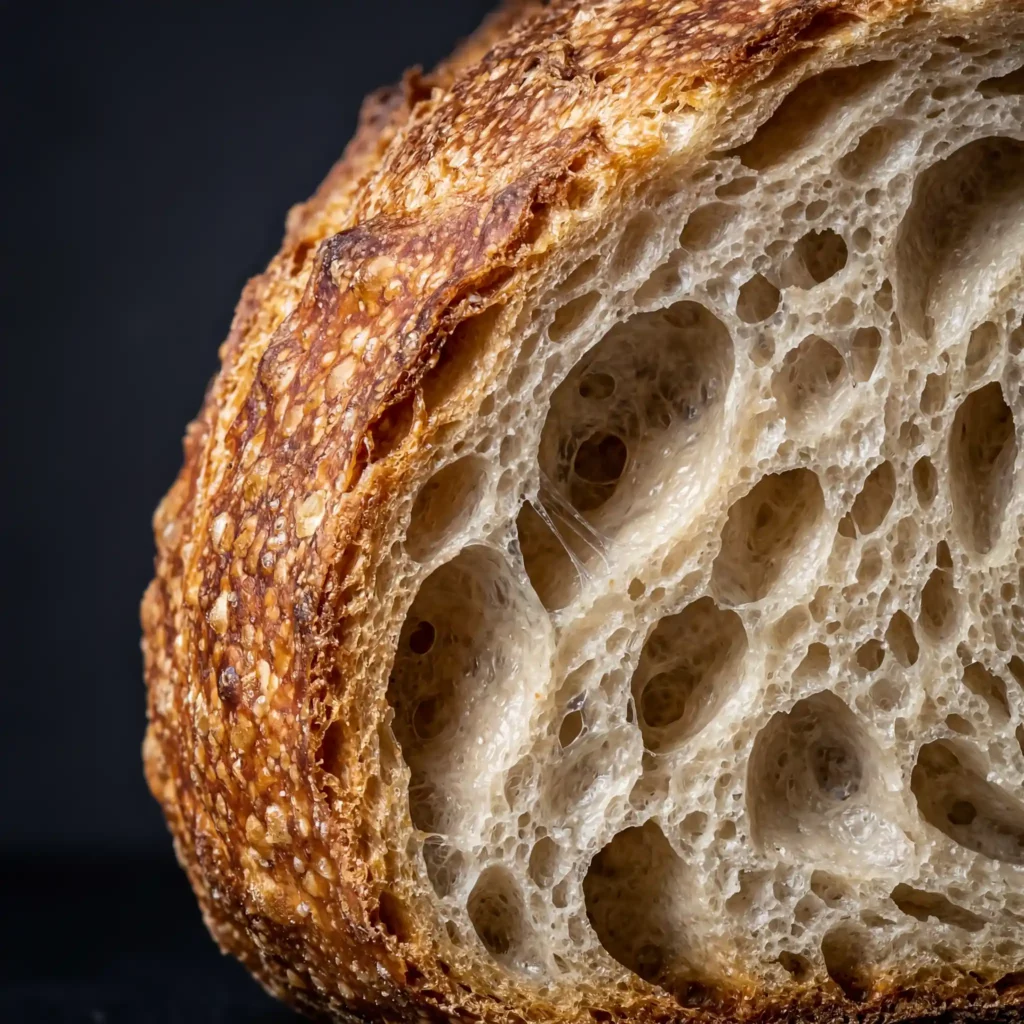
Starch retrogradation is the molecular process where starch molecules in the crumb realign and crystallize after baking. This happens faster at refrigerator temperatures (around 35-40°F) than at room temperature or in the freezer. That’s why refrigerated bread feels stale even when it hasn’t molded—the starch structure has changed, making the crumb feel dry and firm.
Understanding these mechanics helps you choose the right storage method for your situation. If you’re eating the bread within a few days and want the best texture, room temperature with breathable covering wins. If you need weeks of storage, freezing beats refrigeration. If mold appears quickly in your kitchen, refrigeration makes sense despite the texture trade-off.
The key difference between how professional bakers think about bread storage and how most home bakers approach it: bakers focus on maintaining the crust-to-crumb moisture balance, not just “keeping bread from going bad.” That distinction matters when choosing a storage method.
FAQ: Common Bread Storage Questions
Can I store bread in a plastic bag?
You can use plastic for short-term storage, but sealed plastic bags can trap moisture and may soften the crust sooner than breathable storage. If you use plastic, consider poking small holes for airflow or transferring to a breathable bag when convenient. Plastic works better for soft sandwich bread than for crusty artisan loaves.
How long does fresh bread stay fresh?
It depends on the bread type, ingredients, storage method, and kitchen humidity. Crusty artisan breads usually have a shorter best-texture window than soft packaged sandwich bread. Instead of relying only on a fixed number of days, watch for texture changes: a hard crust, dry crumb, damp surface, or visible mold.
What’s the best way to store homemade bread?
Homemade bread typically has no preservatives, so it needs more careful storage than store-bought. For crusty loaves, use breathable storage like a cloth or beeswax-lined bag at room temperature. For sliced homemade bread, protect the cut side while allowing airflow to the crust. If you won’t finish it within a few days, slice and freeze portions for later use. Let bread cool completely before storing—this is critical, as storing warm bread can create condensation and make the texture soggy.
Should I refrigerate bread?
Refrigeration can extend usable storage by slowing mold growth in some conditions, but it also accelerates staling through starch retrogradation. It makes sense in warm or humid kitchens where mold can appear sooner, but for daily eating where texture matters, room temperature storage in a breathable bag often works better. If you live somewhere with high humidity year-round, refrigeration might be your best compromise.
Can I freeze bread?
Yes. Slice the bread first, wrap tightly in plastic wrap or foil, and freeze for extended storage. Thaw slices at room temperature or toast directly from frozen. Freezing is useful for long-term storage but requires planning ahead. The texture change is minimal if you freeze bread when it’s still fresh—waiting until it’s already stale before freezing won’t improve the quality.
What’s the best way to revive stale bread?
Lightly dampen the crust with water, then heat in a 350°F (175°C) oven for several minutes. This can rehydrate the crust and soften the crumb temporarily. Works best within a few days of baking, though results vary by loaf. For very stale bread, consider repurposing it as croutons, breadcrumbs, or bread pudding rather than trying to restore fresh texture.
Why Beeswax-Lined Cotton Bags Work
Beeswax-coated cotton bags balance breathability with moisture retention. The natural wax coating allows some airflow while slowing moisture loss from the crust. This creates a microclimate around the loaf that helps keep the crust from drying out too quickly while preventing condensation buildup that can soften the exterior or encourage mold.
This type of storage works particularly well for artisan breads with a thick, crunchy crust. The bag protects the bread from excessive air exposure without sealing it completely. If you’ve noticed that your bread either dries out too fast in open air or gets damp and soft in plastic, a beeswax-lined bag can be the middle-ground solution that preserves both crust texture and crumb moisture.
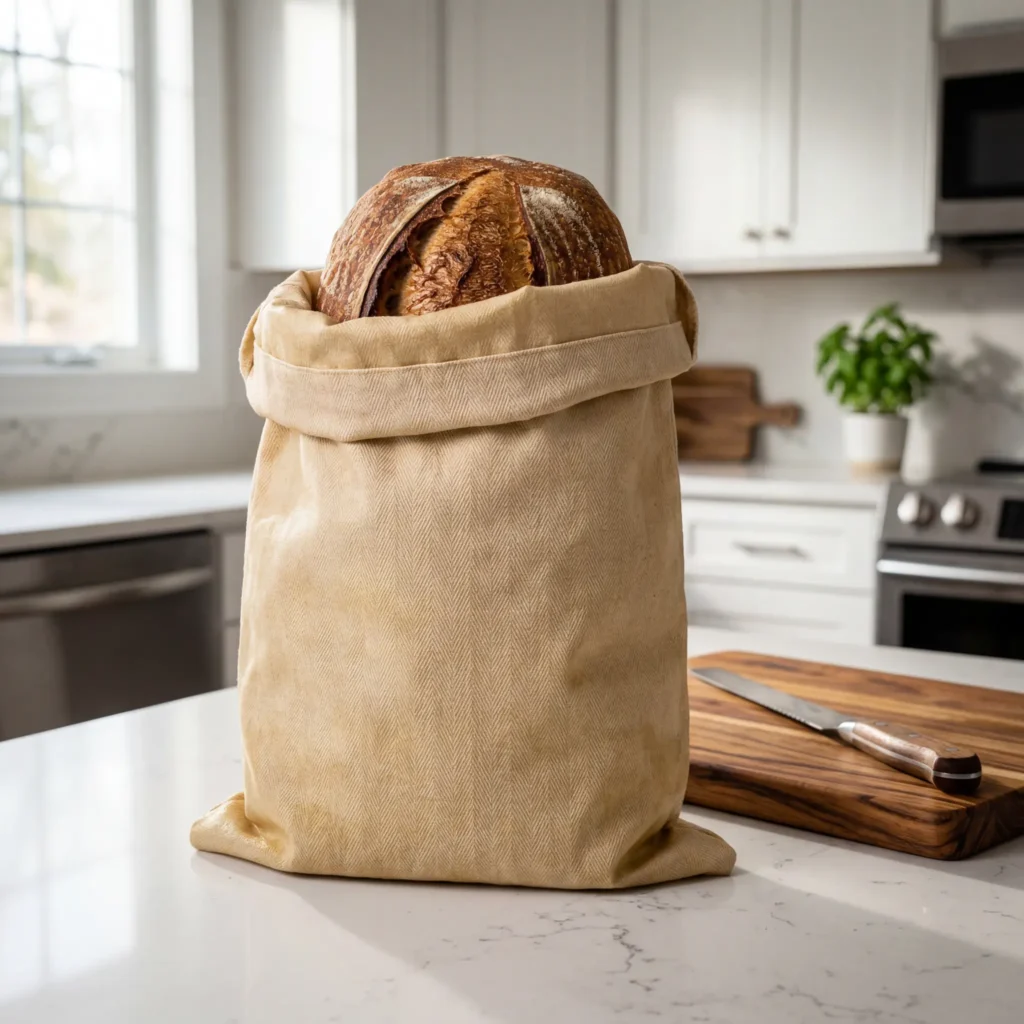
Talorne’s beeswax bread bag is built around this principle. It uses 8oz cotton — a heavyweight weave designed for repeated handling and gentle cleaning — with a beeswax-based food-contact lining made for everyday bread storage. The bag is sized for standard artisan loaves and built for repeated use, not single-use disposal. It will be available on Amazon in mid-2026 for home bakers looking for a breathable alternative to plastic or paper bags.
For sourdough-specific storage guidance, see our complete guide on how to store sourdough bread.
For a focused verdict on the single best storage method for sourdough, see our guide on the best way to store sourdough bread.
Homemade bread loses freshness faster than store-bought because it contains no preservatives — here’s how to store homemade bread for loaves you’ve baked yourself.
If you’re comparing bread boxes and bread bags side by side, here’s our full bread box vs bread bag breakdown.
For a complete guide to beeswax bread bags and how they work, see our beeswax bread bag guide.
Pingback: How to Store Homemade Bread (Without Losing the Crust or Crumb)
Pingback: Best Way to Store Sourdough Bread: Counter or Fridge?
Pingback: Do Bread Boxes Work? Bread Box vs Bread Bag Compared