
Now available on Amazon.
For the loaf.
For the ritual.
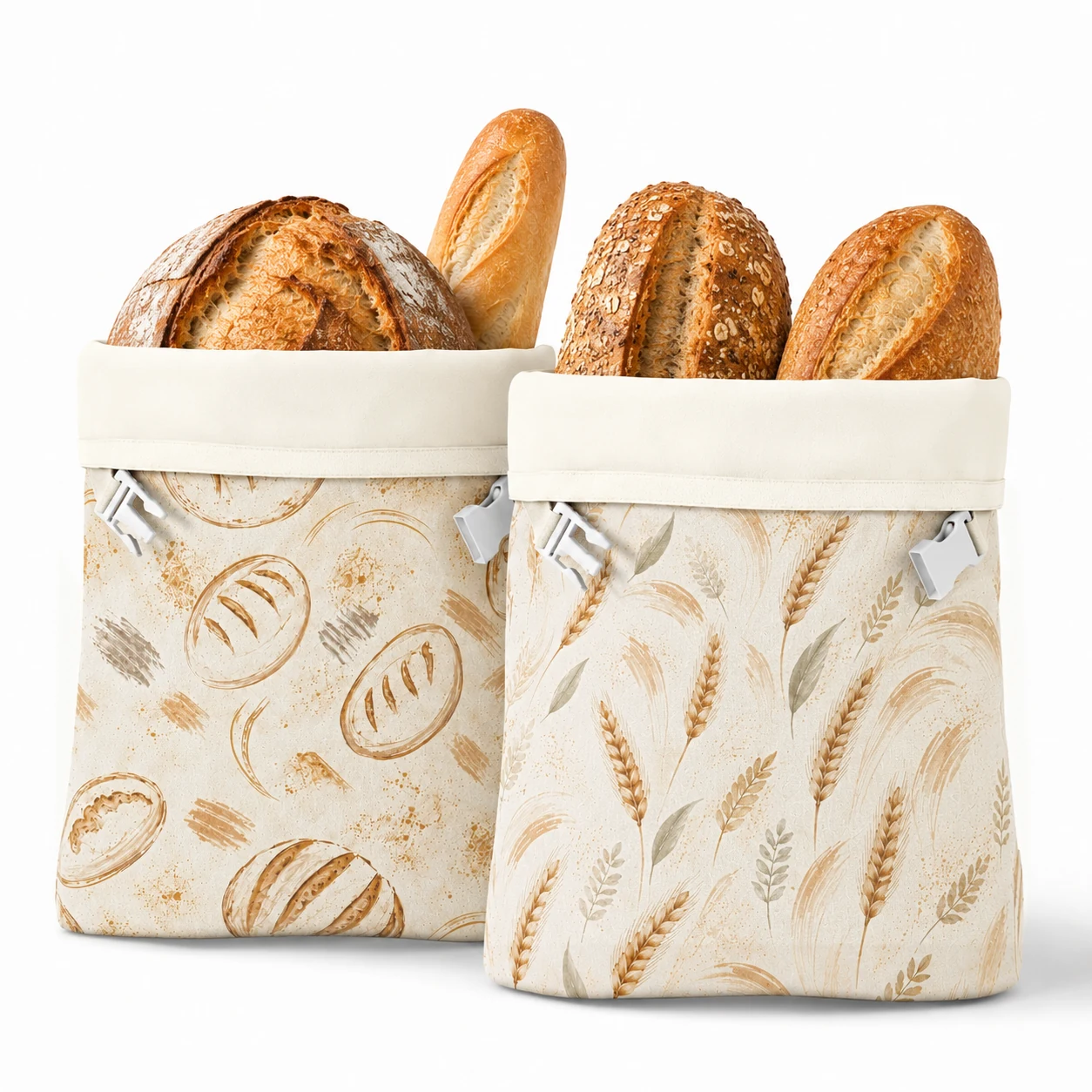
Two XL bread bags. Both prints. Considered storage for the bread you bring home and the moments you share.
A SET OF TWO
Both prints, together.
XL DIMENSIONS
17 × 13 inches, laid flat.
THOUGHTFUL DETAILS
Roll-top. White buckle.
THE TALORNE TWO-BAG SET
Both prints.
Every set.
Wheat Stalk and Bread Sketch: two distinct designs, paired in every set. Warm ivory cotton canvas, a beeswax-based lining and an easy roll-top closure.
Each bag is approximately 17 × 13 inches (43 × 33 cm), measured laid flat. Leave room at the top to roll and fasten.
BUILT FOR THE BAKE™
The loaf is only
the beginning.
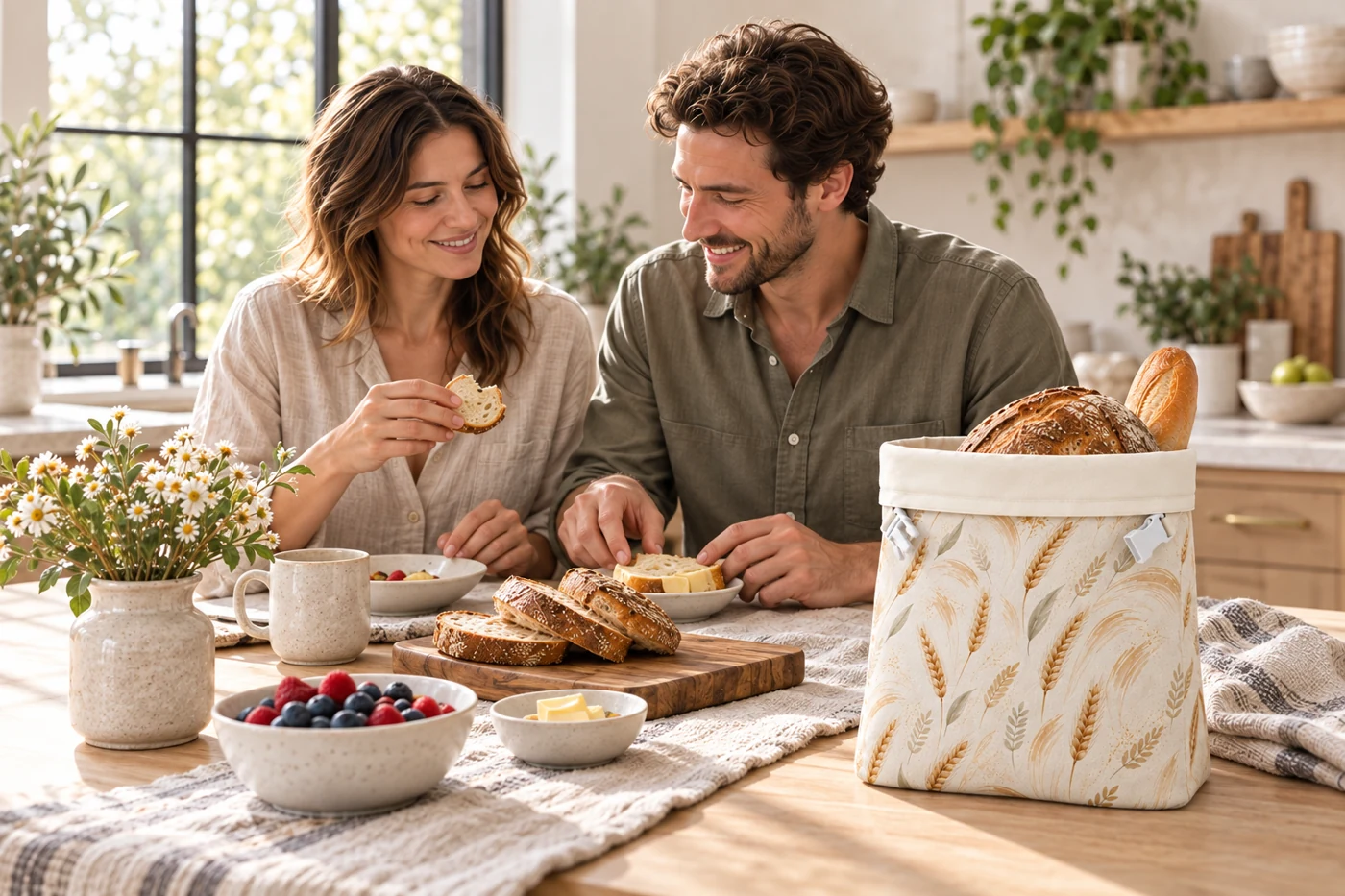
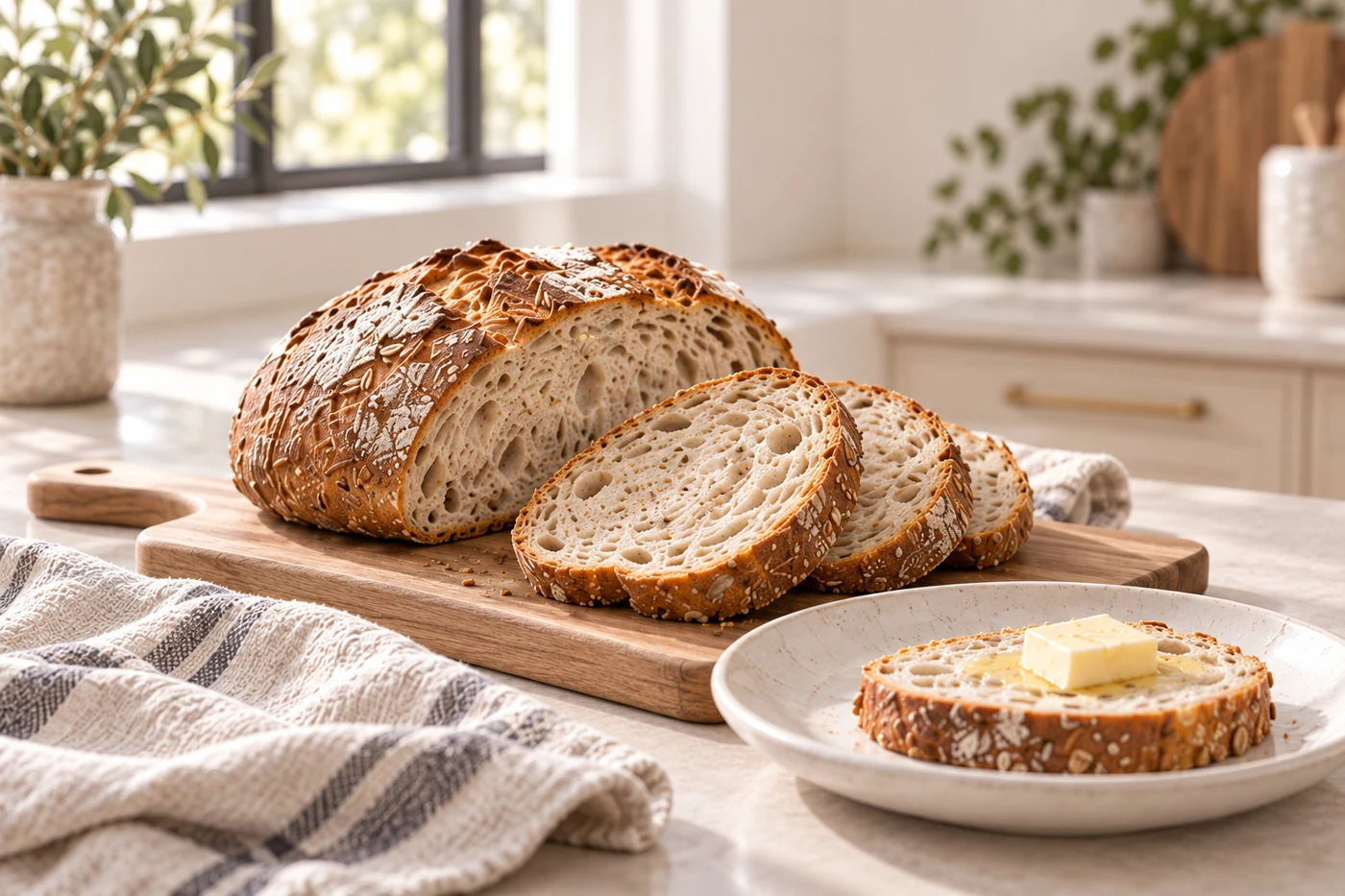
The first slice. The pause at breakfast. The piece you save for later. We make room for the small rituals around good bread.
TWO WAYS TO BRING IT HOME
A little character.
In every fold.
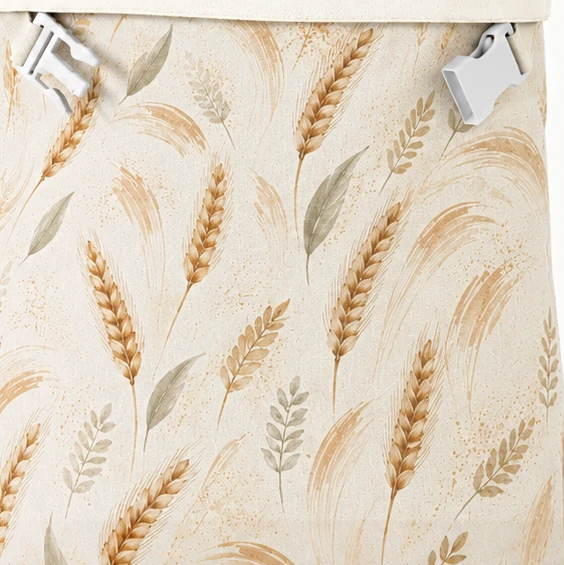
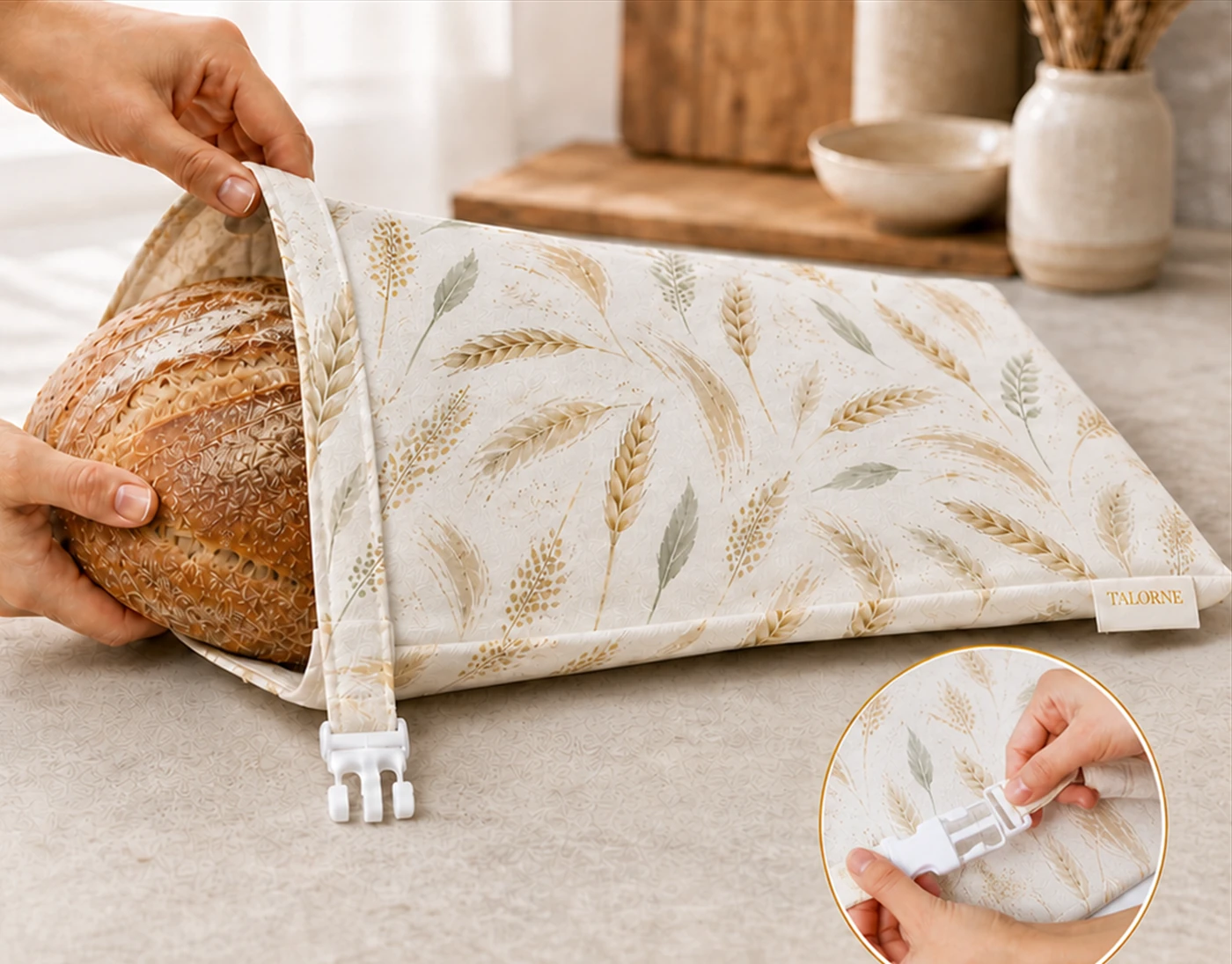
Wheat Stalk
A quiet botanical print inspired by the grain behind every loaf.
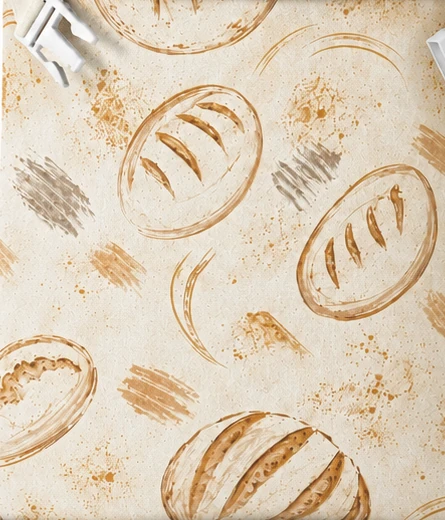
Bread Sketch
An expressive print that celebrates the character of a good bake.
FROM THE FIRST LOAF
Cool. Place.
Roll. Clip.
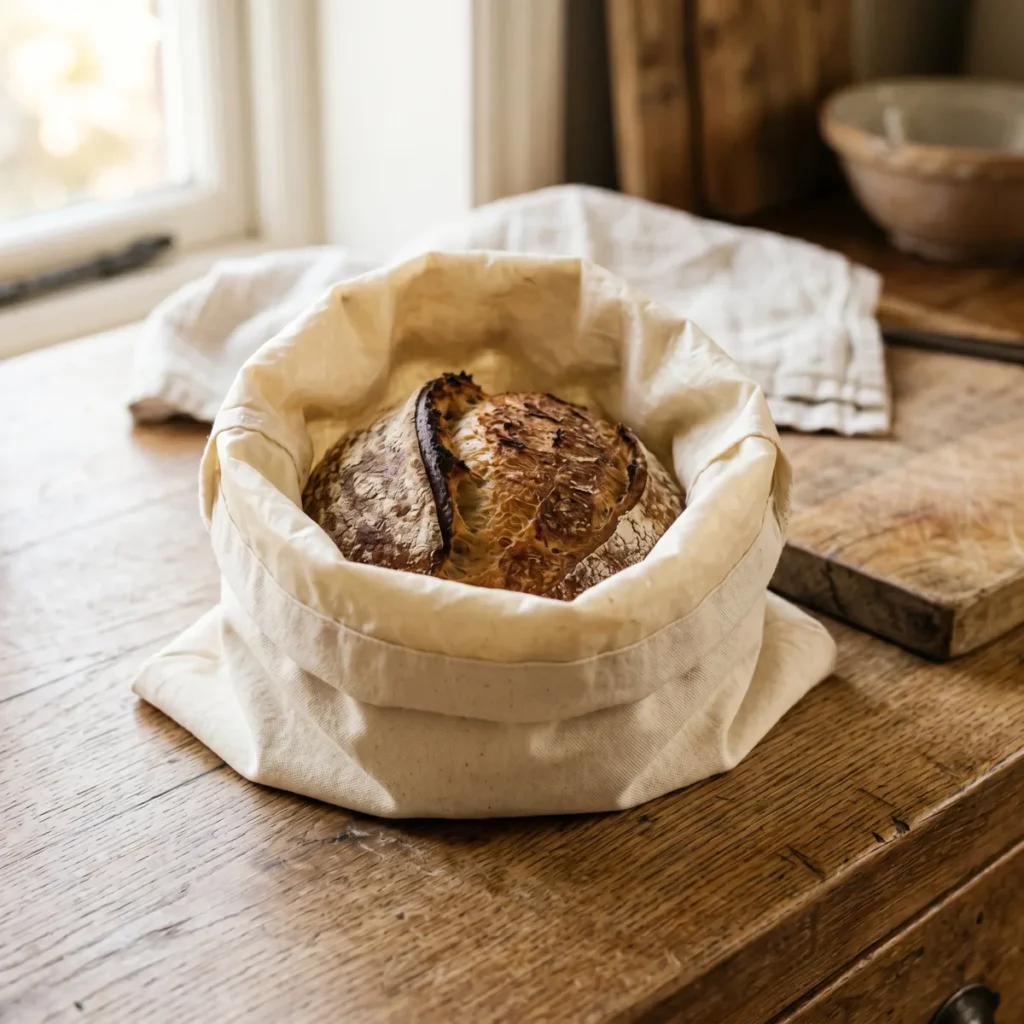
Let bread cool completely. Place it in the bag, gently press out excess air, then roll the top and connect the white buckle.
Keep it in a cool, dry place, away from heat and direct sunlight.
FROM THE JOURNAL
Good bread.
Better understanding.
A LITTLE MORE TO KNOW
Before your next bake.
What comes in the set?
Two XL bags: one Wheat Stalk and one Bread Sketch, plus a printed use & care insert. Bread and photography props are not included.
Will my loaf fit?
Compare your loaf with the approximate 17 × 13 inch laid-flat dimensions, allowing room for its depth and for rolling the top closed. A flat width is not the usable internal diameter.
How long will my bread stay fresh?
There is no single storage duration for every loaf. Bread type, room temperature and humidity all matter. Check bread regularly, especially in warm or humid conditions.
Where do I buy Talorne?
The TALORNE two-bag set is now available on Amazon US. Use Shop on Amazon to view current pricing and delivery options.