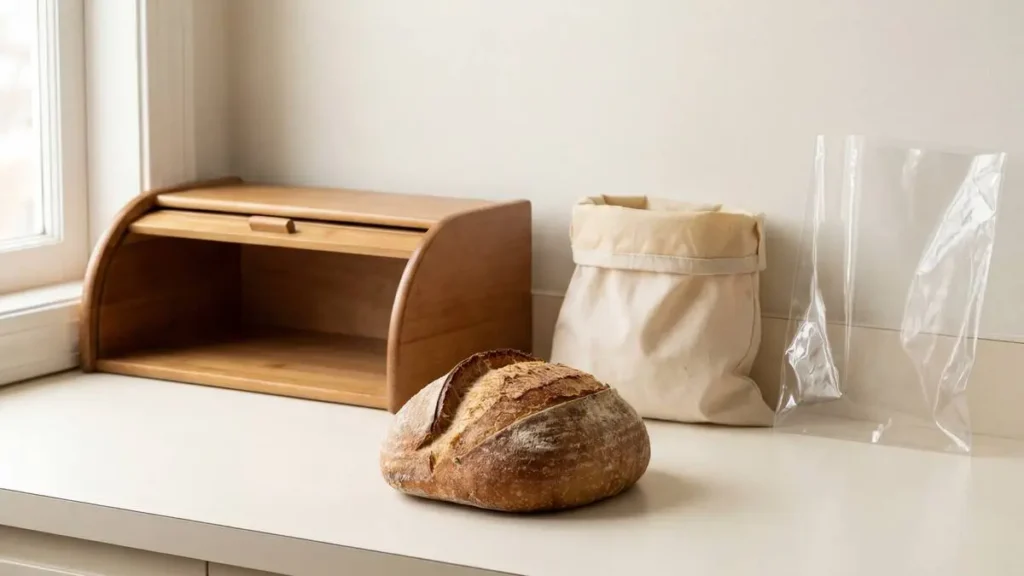
There’s something particular about sourdough that makes storage feel personal. You’ve spent days nurturing the starter, timed the ferment, watched the oven spring — and then the question hits you: now what? A plastic bag can soften the crust quickly. The fridge can make the texture feel firmer or rubbery. Leaving it fully exposed can work briefly, but the cut edge may dry faster than expected.
Sourdough bread bags designed specifically for this purpose change that calculation. Here’s what actually matters when choosing one.
What Makes a Good Sourdough Bread Bag
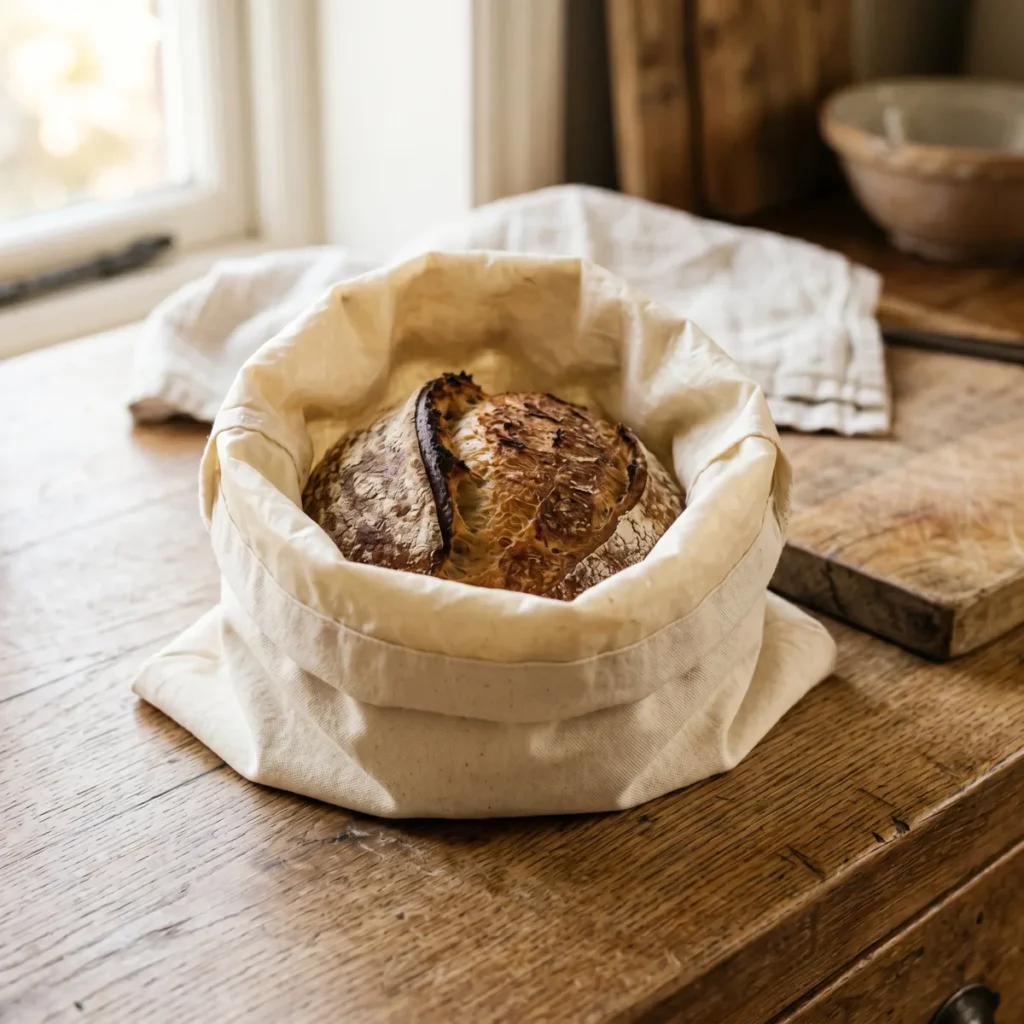
Good sourdough bread bags are breathable. It allows controlled airflow around the loaf, which helps balance moisture instead of sealing humidity in. Natural fabrics like beeswax-lined cotton and linen are the common choices. Sealed plastic does the opposite — it traps moisture and can soften a crisp crust sooner than breathable storage would.
Linen, Cotton, or Beeswax-Lined Cotton — What’s the Difference
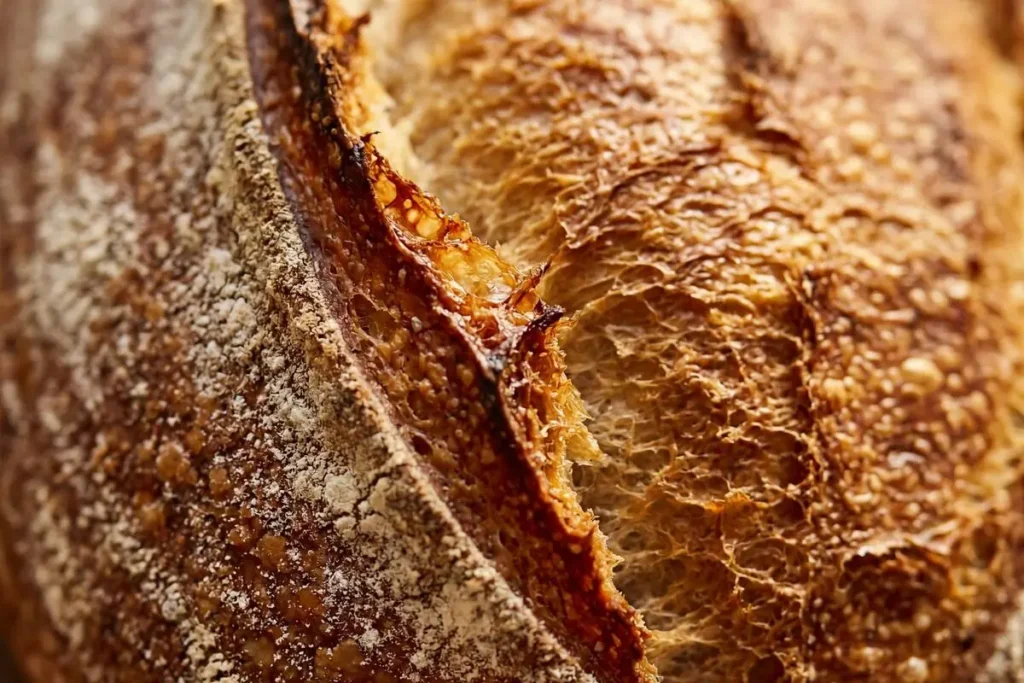
Linen is the traditional choice. It’s a loosely woven natural fiber that allows a lot of airflow. That breathability is its strength and its limitation — a linen bag for sourdough bread lets vapor escape freely, which keeps the crust from going soft, but in a dry kitchen it can let the crumb lose moisture faster than you’d like. Linen bread bags for sourdough tend to suit humid climates or short counter storage before the loaf is eaten.
Uncoated cotton sits in a similar place. It’s breathable, soft, and inexpensive, but like linen it doesn’t slow moisture loss much. A plain cotton bag protects the loaf from dust and light more than it actively manages humidity.
Beeswax-lined cotton adds a layer that the other two don’t have. Cotton provides the breathable base; a beeswax-based coating slows rapid evaporation without sealing the loaf airtight. The result is a bag that allows some airflow while helping balance the humidity around the crust and crumb. It usually costs more than plain linen or cotton, and it asks for gentle care rather than machine washing — but for bakers who want their storage to do more than just cover the loaf, that trade is often worth it.
Why Sourdough Needs Different Storage Than Soft Bread
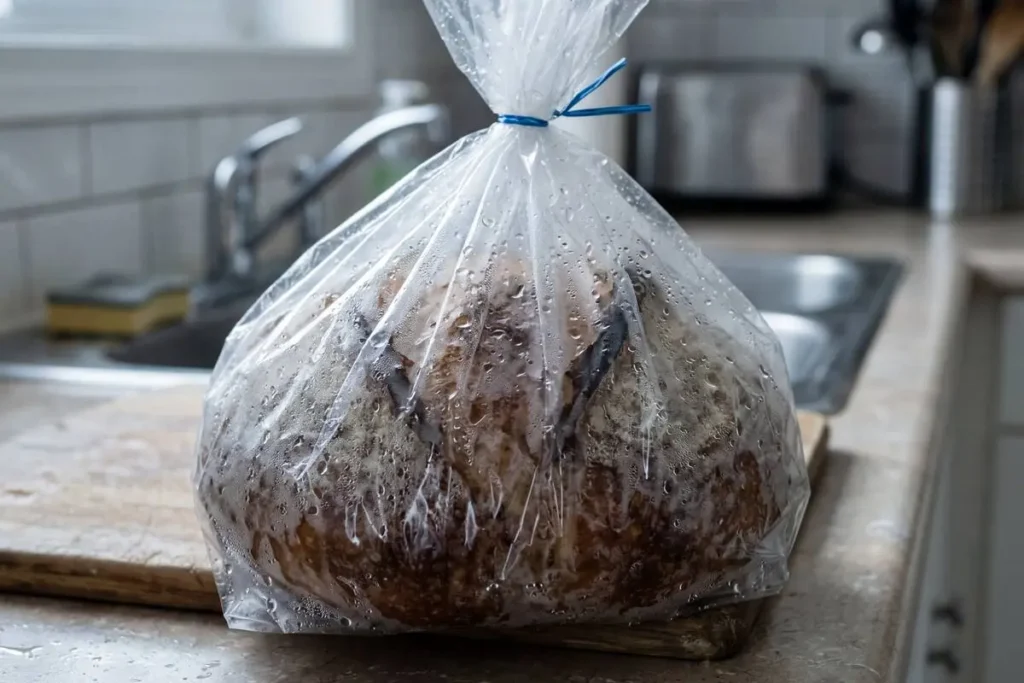
Sourdough isn’t a soft sandwich loaf, and it shouldn’t be stored like one.
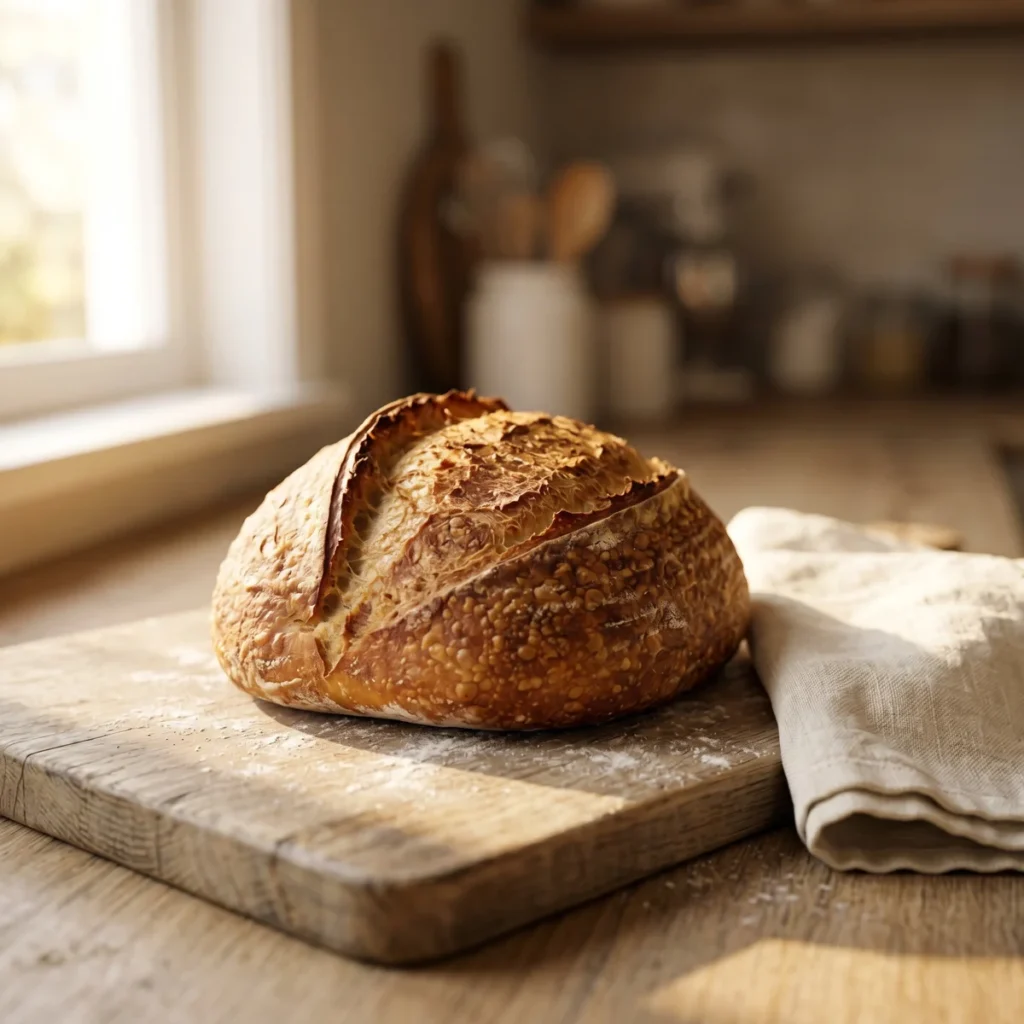
The first reason is the crust. A good sourdough crust is one of the things you worked hardest for — that crackle, that depth of color. Crust is also fragile in storage. Seal a sourdough loaf in plastic and the crust draws moisture from the surrounding air and from the crumb itself, often going soft and sometimes slightly damp within hours. A breathable bag lets that vapor move instead of pooling against the crust.
The second reason is the open crumb. Sourdough’s airy, irregular crumb is full of pockets, and those pockets give moisture more surface to escape from. Storage that’s too open — bare counter, loose linen in a dry room — can let the crumb dry at the cut edge faster than you expect.
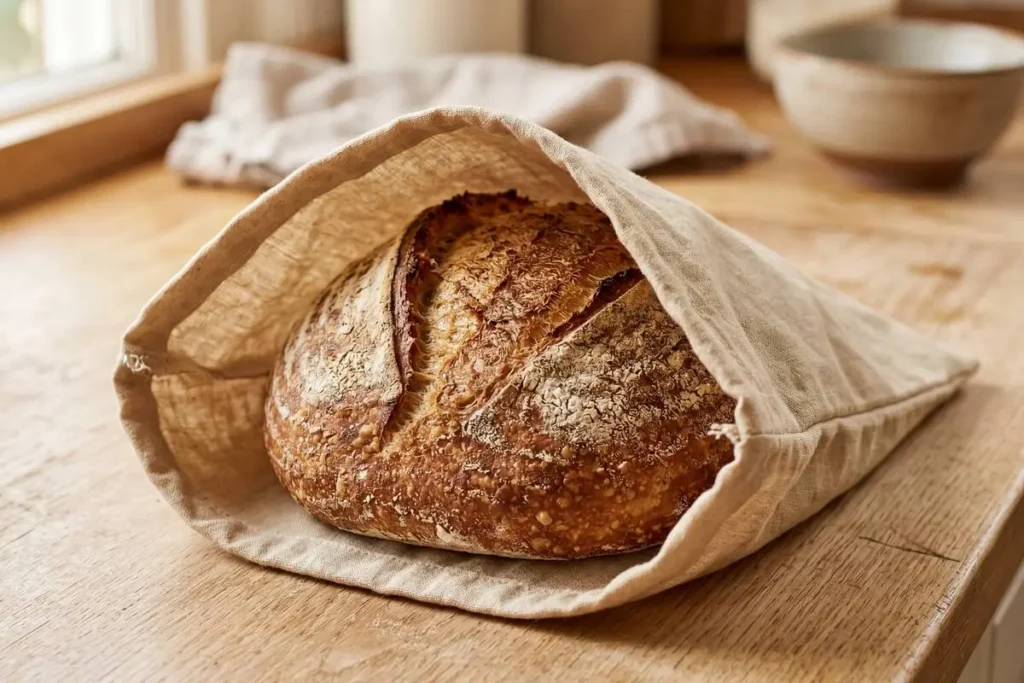
The third reason is sourdough’s natural acidity. The fermentation that gives sourdough its flavor also makes the loaf slightly more resistant to mold than many yeasted breads. This is a mild effect, not a guarantee — warm, humid conditions and sealed containers can still encourage faster spoilage. But it does mean sourdough generally tolerates breathable room-temperature storage well, which is exactly what a dedicated sourdough bread bag is built around.
The Science: Crust, Crumb, and Moisture Movement
If you want to understand why bag choice matters, it helps to know what’s actually happening to the loaf as it sits.
Sourdough goes stale through two processes running at the same time. The first is moisture evaporation — water leaving the crust and the surface of the crumb into the surrounding air. This is why a loaf left fully exposed hardens as it sits. The second is starch retrogradation, a molecular process in which the starches in the crumb gradually recrystallize after baking. Retrogradation is what makes the interior feel firm and dry even when no moisture has visibly left the loaf.
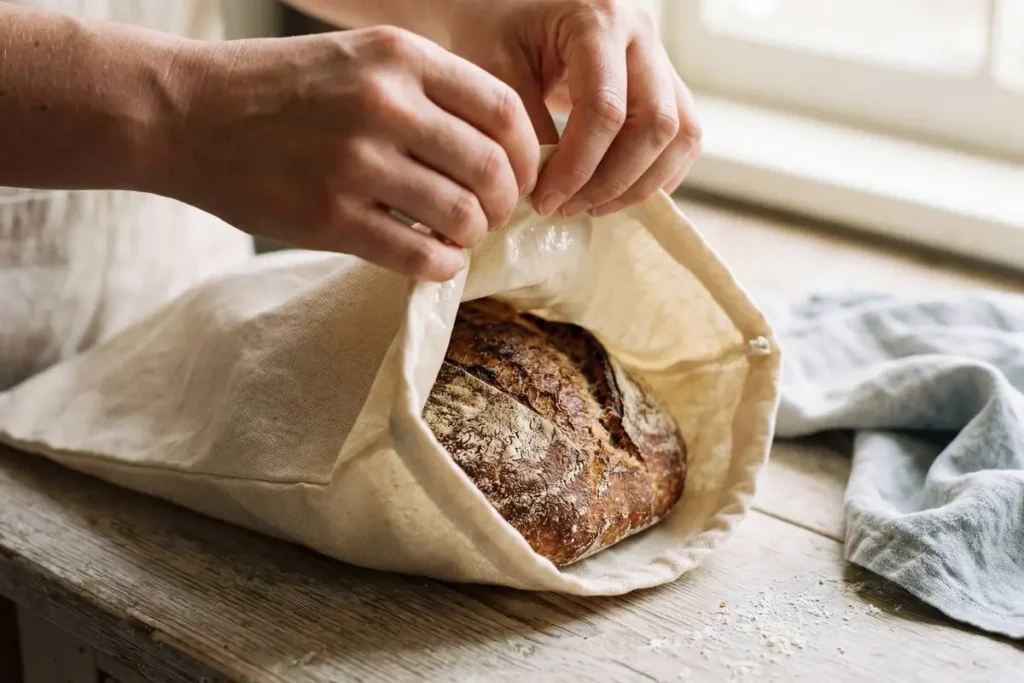
Storage can’t stop retrogradation, but it can manage the moisture side. Sealed plastic interferes by trapping vapor — moisture migrates from the crumb to the crust, which can leave the exterior soft or damp while the interior still dries. Open air goes the other way, letting the crust lose moisture quickly and harden.
A breathable material like beeswax-lined cotton works between those two extremes. The coating slows evaporation without sealing it off completely, which helps keep the crust from hardening as fast as it would in open air, while still letting enough vapor escape to avoid the condensation problem plastic creates. That’s the whole mechanism — not magic, just controlled airflow.
What to Look for in Sourdough Bread Bags
A good sourdough bread bag should be easy to understand before you ever use it. Look for a breathable natural fabric, enough room for an artisan boule or batard, and a closure that protects the loaf without sealing it airtight. If the bag is beeswax-lined, the coating should feel like a light food-contact layer, not a plastic substitute. Care matters too: beeswax-lined bags are generally cared for by wiping gently with cool water and air drying, rather than soaking or machine washing. The best choice is the one that fits your actual bread routine — how often you bake, how quickly you eat the loaf, and whether you care more about crust texture, crumb moisture, or reusable storage.
Frequently Asked Questions
What is the best bag for storing sourdough bread?
The best bag is a breathable one. Linen, cotton, and beeswax-lined cotton all allow airflow, which helps balance moisture around the loaf rather than trapping it the way plastic does. Beeswax-lined cotton goes a step further by slowing rapid evaporation while still letting vapor escape, which can help protect the crust during counter storage.
Is a linen bag good for sourdough?
Linen works well for sourdough, especially for short-term counter storage. Its loose weave allows plenty of airflow, which keeps the crust from going soft. The trade-off is that in a dry kitchen, a linen bag can let the crumb lose moisture faster than a coated bag would, so it suits humid climates or loaves you plan to eat within a day or two.
Should a sourdough bread bag be airtight?
No. An airtight bag traps vapor against the loaf, which can soften the crust and create condensation. Sourdough storage works best with controlled airflow — enough to let moisture move, but not so much that the crumb dries out rapidly. Breathable materials are designed around exactly this balance.
How do you use a sourdough bread bag?
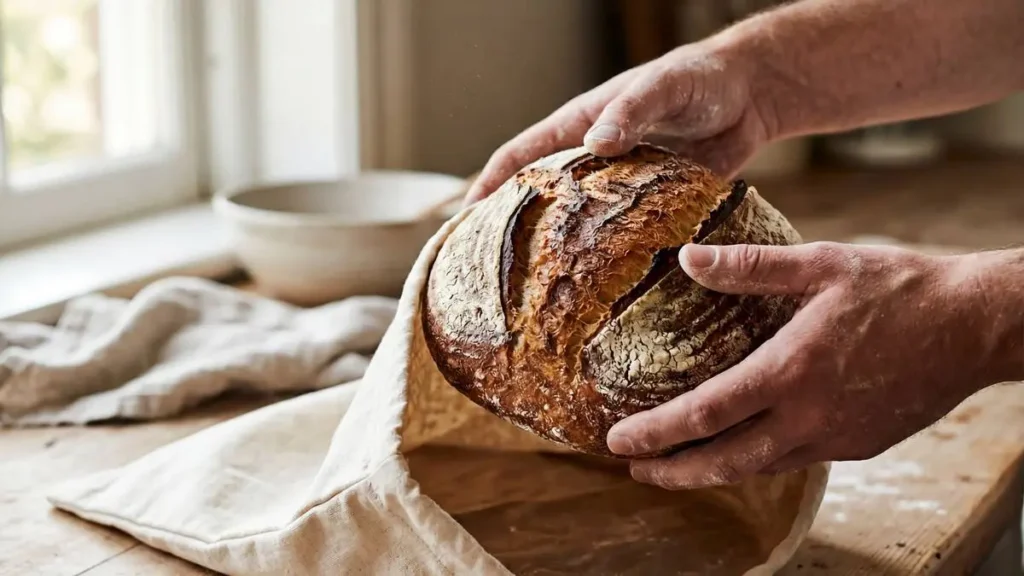
Let the loaf cool completely before storing it — bagging a warm loaf traps steam. Place the cooled bread inside the bag and fold or close the opening loosely. Keep the bag at room temperature, out of direct sun. For a cut loaf, placing the cut side against the fabric or a board can help slow moisture loss from the exposed crumb.
Can you store sourdough in a beeswax bag?
Yes. A beeswax-lined cotton bag is a breathable storage option that suits sourdough’s crust and open crumb. The cotton base allows airflow and the beeswax-based coating slows rapid evaporation, which helps balance the humidity around the loaf during room-temperature storage.
Choosing a Bag Built for Sourdough
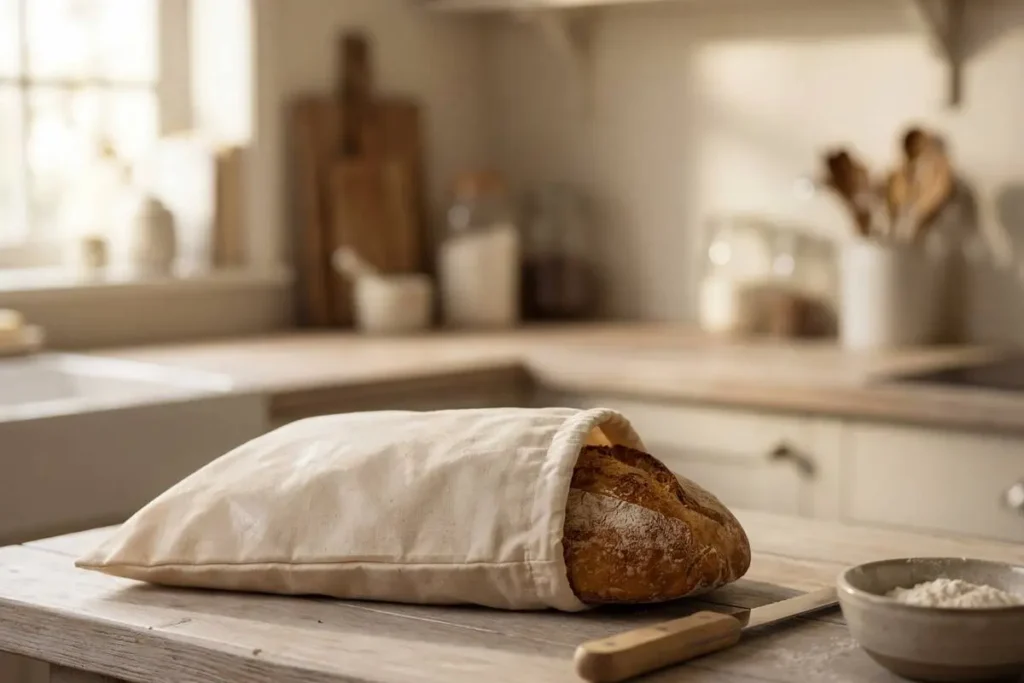
Once you understand the mechanism, choosing a bag becomes straightforward: you want a breathable base material and, ideally, a coating that slows evaporation without sealing the loaf airtight.
Beeswax-lined cotton bags combine those two things. Cotton provides a breathable base layer that allows controlled airflow. A beeswax-based food-contact lining adds a light coating that slows rapid moisture loss, which can help keep the crust from hardening as quickly as it would in open air. This is different from plain linen or uncoated cotton, which breathe freely but don’t slow evaporation, and from sealed plastic, which traps moisture against the crust. The coating also makes the bag a long-term piece of kitchen equipment rather than something disposable — it’s designed for repeated use with gentle care.
The TALORNE set includes two XL beeswax-lined bread bags: one Wheat Stalk and one Bread Sketch, each approximately 17 × 13 inches laid flat. Allow room for the loaf and roll-top closure. Now available on Amazon US. View current pricing and delivery options on Amazon.
Learn more about how beeswax bread bags work and why bakers choose them.
Related Sourdough Storage Guides
For the complete science of storing sourdough at room temperature, in the fridge, and in the freezer, see our full guide on how to store sourdough bread.
If you’re weighing up which method fits your routine, we break down the best way to store sourdough bread in a dedicated guide.
And for storage principles that apply to every loaf in your kitchen, not just sourdough, here’s our guide on how to keep bread fresh.