
THE TALORNE BREAD COMPANION
A little care
for your loaf.
For the bread you baked. The loaf you brought home. And the small rituals in between. Welcome to your TALORNE companion.
Received TALORNE as a gift?
Welcome to the bread board. Your set includes two XL bags: Wheat Stalk and Bread Sketch. Start with a fully cooled loaf and the simple routine below. No registration is needed.
FIRST TIME HERE?
Your first loaf, in six simple steps.
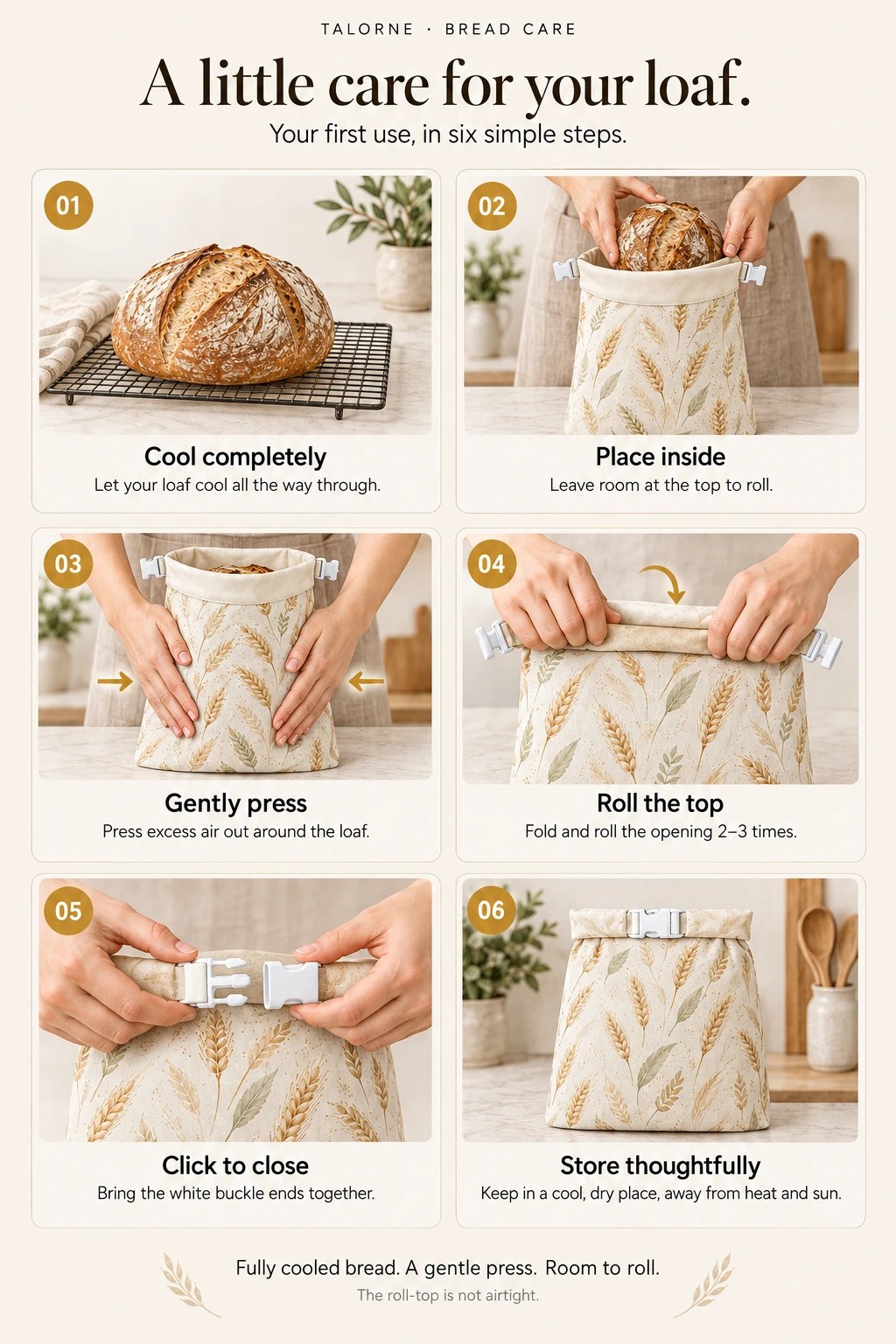
Cool completely
Let your loaf cool all the way through.
Place inside
Leave enough room at the top to roll.
Gently press
Press excess air out gently around the loaf.
Roll the top
Fold and roll the opening two or three times.
Click to close
Bring the white buckle ends together.
Store thoughtfully
Keep in a cool, dry place, away from heat and sun.
The roll-top is not airtight. These illustrations accompany the instructions on your insert.
A closer look at rolling and fastening
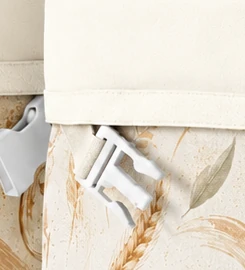
Keep enough empty fabric above the loaf to flatten and roll the mouth two or three times. Bring the two buckle ends together and press until connected. To open, press the side-release tabs. Do not force the buckle or overfill the bag.
A LITTLE HELP, RIGHT WHEN YOU NEED IT
What’s happening with your loaf?
Start with what you notice. Open an answer for a few practical checks.
Every loaf and kitchen is different. Check bread regularly and keep the bag away from heat and direct sun.
Warm or humid kitchen
Check bread more often. Choose a cool, dry position, cool each loaf completely, and make sure the lining is fully dry before reuse. Consider separate freezer-safe storage for portions you will not eat soon.
Cool or dry kitchen
Check your closure and the bread’s texture. Use the same gentle press, two or three rolls and white buckle; do not add water, fruit slices or a damp cloth to the bag.
Heated indoor air
Keep the bag away from radiators, warm appliances and sunny windows. Check the closure and plan smaller portions if your loaf is drying faster than you enjoy it.
My bread feels damp or there is condensation.
What might explain it
Residual warmth or moisture may have been trapped around the loaf.
Check first
Was the bread completely cool? Was the lining fully dry? Is the bag close to a heat source?
Try next
Remove the bread and allow the bag to air dry fully. Only put suitable, fully cooled bread into a dry bag. If you see mold, follow the mold guidance below.
My crust has softened.
What might explain it
Crust texture can change as moisture moves through a loaf during storage.
Check first
The bag is a storage routine, not a promise of bakery-crisp crust. Bread type and kitchen conditions matter.
Try next
If the bread is still suitable to eat, toast a slice just before serving. Remove bread from the bag first; the bag must never go into an oven, microwave or toaster.
My bread is drying out.
What might explain it
Your bread, the surrounding air and the way the top was closed can all affect texture.
Check first
Was the opening rolled two or three times and the buckle connected? Is the bag away from direct heat and sun?
Try next
Plan portions around what you will eat soon. For longer storage, transfer suitable bread to separate freezer-safe packaging. Firmer bread can also become toast or croutons if it is still suitable to eat.
My loaf will not fit or the buckle will not close.
Check the fit
Each bag is approximately 17 × 13 inches (43 × 33 cm), measured laid flat. This is not its usable internal diameter.
Try next
Leave space for the loaf’s depth and the rolled opening. Portion an oversized loaf rather than squeezing it. Align the white buckle ends and connect gently; do not force them.
Still stuck?
Get product support and include a description of the closure issue.
I can see mold on my bread.
What to do
Discard the affected bread. Do not cut away the visible spot and eat the rest; bread is porous and contamination can extend below the surface.
Before using the bag again
Stop using the bag and contact TALORNE for product-specific guidance. Gentle routine wiping is not a validated method of removing mold contamination from the lining.
Read more
USDA guidance on mold and food.
The bag smells unusual or the lining feels different.
Check first
Empty the bag and inspect it in good light. Do not assume a new smell, discoloration or damaged lining is normal ageing.
Try next
For routine crumbs or food residue, follow the gentle cleaning guide. If an odor persists, or you see mold, damaged lining or exposed material, pause use and contact product support.
Avoid home repairs
Do not heat, re-wax, soak or machine wash the bag.
MEET YOUR BREAD
Every loaf has its own ritual.
Sourdough & country loaves
For the loaf you made time for.
Let the whole loaf cool completely. If its shape leaves too little room to roll, divide it into manageable portions. Cut a serving slice when you need it; use separate freezer-safe storage for longer keeping.
Sandwich loaves
A little planning for the week.
Cool completely before storage. Keep the plain loaf separate from sandwich fillings, and slice only the portions you need. Freeze suitable extra portions separately rather than expecting one bag routine to suit a whole week.
Baguettes
Long loaf. Simple adjustments.
Compare the length and girth with the bag before filling it. Divide a long baguette so you can roll and fasten without bending the bread. Use firmer, suitable pieces for toast or croutons.
Rolls & small breads
Room for the little things.
Use cooled, plain rolls and leave space above them to close gently. Avoid packing them so tightly that they are compressed. Wet, greasy or perishable fillings need suitable separate storage.
One closure routine for every suitable loaf: cool, place, gently press, roll and clip. No fixed freshness timetable.
READY FOR THE NEXT LOAF
A little care for your bag.
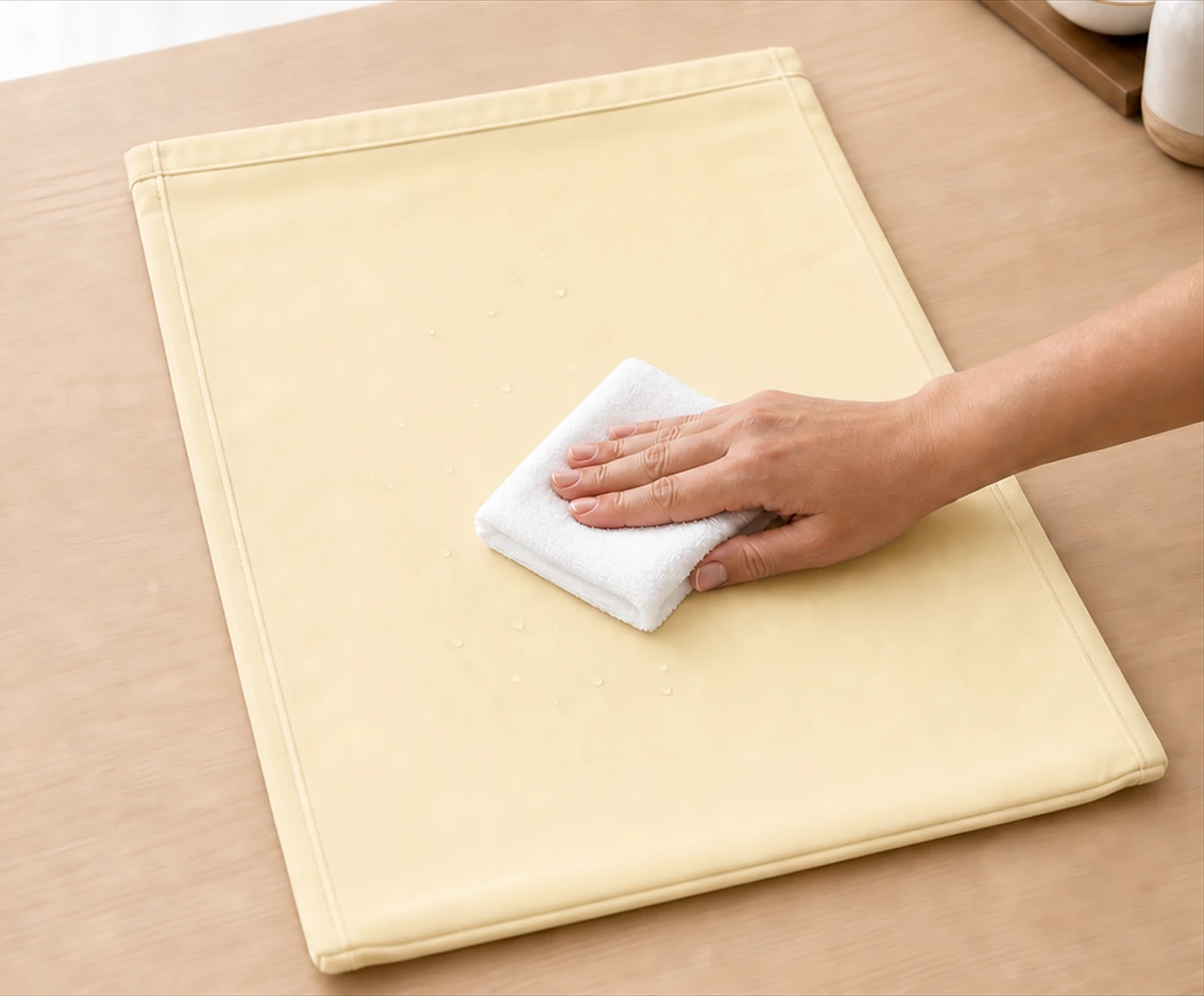
Clean gently. Dry completely.
- Shake out crumbs. Empty the bag after use.
- Wipe the lining. Use cool water and mild soap if needed. Do not soak.
- Air dry fully. Leave the bag open until completely dry before reuse.
Keep heat away. No hot bread, hot water, machine washing, microwave or oven use. Avoid very wet or greasy foods.
What if I notice wear?
Check the lining and closure regularly. If either is damaged or no longer works as intended, stop using the bag and ask us for guidance. We do not recommend home re-waxing or publish an untested replacement timetable.
THE TALORNE RECIPE EDIT
Five ideas worth making.
Our variations on internet-favorite food trends, gathered for your bread board. Open a card, make something lovely, and save the recipe for another day.
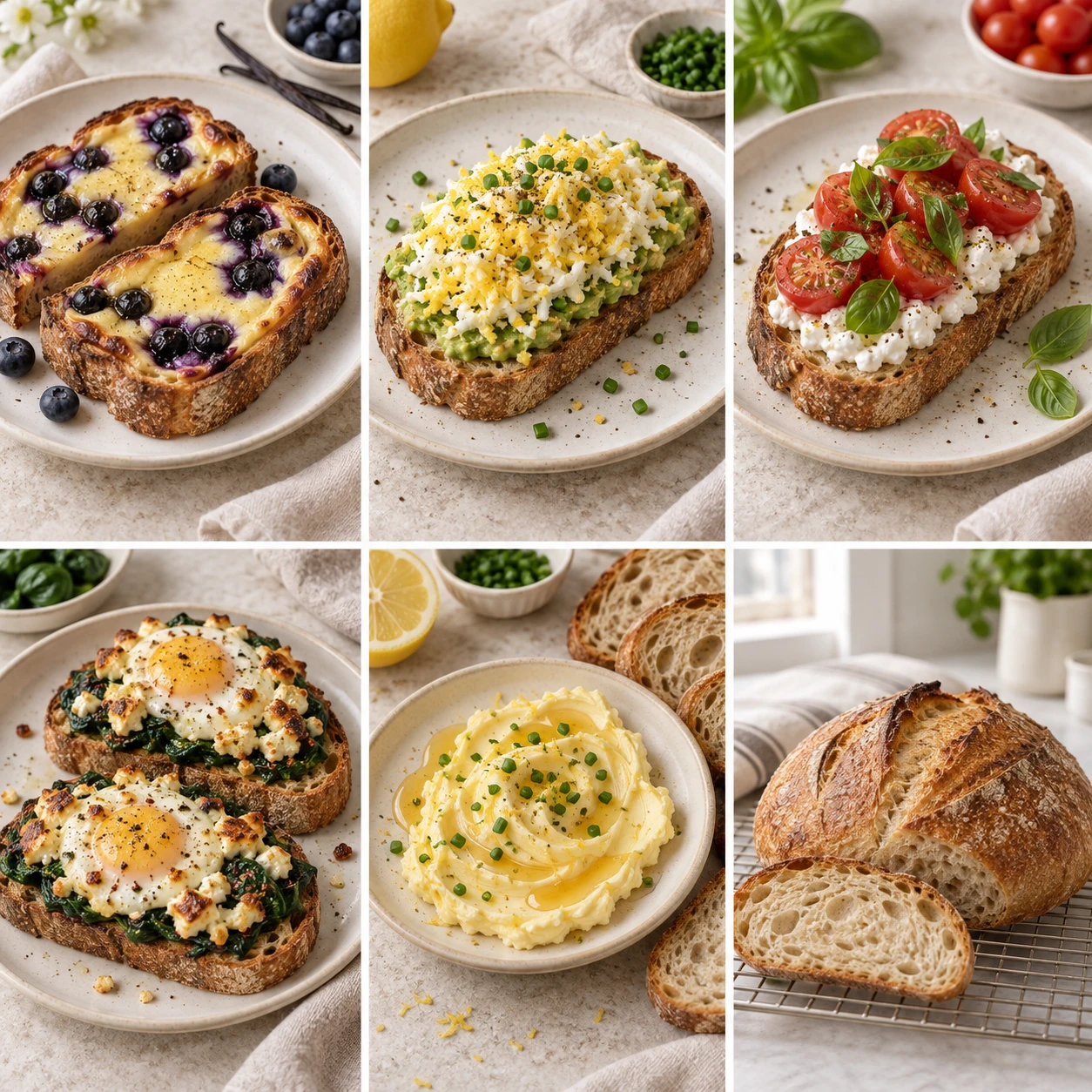
SWEET / SLOW MORNING
Blueberry & vanilla custard toast
A creamy center, jammy berries and golden edges.
About 25 minutes · 2 slices
Ingredients & method
What you’ll need
- 2 thick slices of soft, sturdy bread
- 1 egg; 3 tbsp plain Greek yogurt
- 1 tsp honey; ½ tsp vanilla
- 3 tbsp blueberries
Make it
- Take two plain slices from your TALORNE bag. Re-roll and clip the remaining cooled loaf before preparing the topping.
- Heat the oven to 200°C / 400°F. Whisk the egg, yogurt, honey and vanilla. Press a shallow hollow in each bread slice without breaking through.
- Set bread on a lined baking tray, divide the custard between the hollows and add berries. Bake about 15–18 minutes, until the filling is fully set; egg dishes should reach 71°C / 160°F. Serve promptly.
Your TALORNE moment
Use the bag for the cooled, plain loaf before cooking. Custard-topped toast needs appropriate food storage, never the bread bag.
SAVORY / BRIGHT & SIMPLE
Lemon-chive egg toast
Fluffy grated egg over avocado, finished with lemon and chives.
About 10 minutes with cooked eggs · 2 toasts
Ingredients & method
What you’ll need
- 2 slices of sourdough or multigrain bread
- 2 hard-boiled eggs, peeled and chilled
- 1 ripe avocado; 1 tsp lemon juice
- 1 tbsp chopped chives; pepper
Make it
- Remove two plain slices from your TALORNE bag and close the bag around the remaining cooled bread.
- Toast the slices. Mash avocado with lemon juice and divide it between them.
- Finely grate the chilled, hard-boiled eggs over the avocado. Add chives and pepper. Serve immediately.
Your TALORNE moment
Store only the plain bread in TALORNE. Keep prepared eggs refrigerated until you assemble the toast.
SAVORY / QUICK LUNCH
Tomato & basil cottage cheese toast
Cool cottage cheese, sweet tomatoes and a little basil.
About 10 minutes · 2 toasts
Ingredients & method
What you’ll need
- 2 slices of bread; ½ cup cottage cheese
- 6 cherry tomatoes, sliced
- 1 tsp olive oil; 1 tsp lemon juice
- 4 basil leaves, torn; black pepper
Make it
- Take two slices of plain bread from your TALORNE bag, then roll and clip the rest of the loaf for later.
- Toast the slices. Toss tomatoes with oil, lemon juice and pepper.
- Spoon cottage cheese over the toast, add the tomatoes and finish with basil. Eat soon after assembling.
Your TALORNE moment
Add cheese and tomatoes after the bread leaves the bag. Keep these perishable toppings in suitable refrigerated storage.
SAVORY / WEEKEND BRUNCH
Crisp feta & spinach toast
Golden feta edges, warm spinach and a satisfying slice.
About 15 minutes · 2 toasts
Ingredients & method
What you’ll need
- 2 slices sourdough; 2 eggs
- 60 g feta, crumbled; 2 handfuls spinach
- 1 tsp olive oil; black pepper
Make it
- Set aside two plain slices from your TALORNE bag and close it around the remaining cooled loaf. Toast the slices.
- Wilt spinach in the oil in a nonstick pan; divide it over the toast. In the same pan over medium-low heat, make two small rings of feta.
- Crack an egg into each ring. Cover and cook until both whites and yolks are firm and the feta edges are golden. Lift onto the spinach toast and season with pepper.
Your TALORNE moment
TALORNE stores the cooled, plain loaf between meals. It is not for hot toast, eggs, cheese or oily finished food.
TO SHARE / AT THE TABLE
Honey-lemon butter plate
A small, generous ritual for bread and company.
About 10 minutes, plus softening · 4 small servings
Ingredients & method
What you’ll need
- 100 g unsalted butter, softened
- 1 tsp honey; zest of ½ washed lemon
- 1 tbsp chopped chives; pinch of flaky salt
- Plain bread slices, to serve
Make it
- Bring your cooled loaf to the table in its TALORNE bag. Remove and slice the amount you plan to serve; keep the rest plain and close the bag.
- Stir butter until spreadable and swirl it over a clean serving plate. Add lemon zest, honey, chives and salt.
- Serve promptly with the bread and a clean spreading knife. Keep leftover butter in suitable refrigerated storage.
Your TALORNE moment
Keep butter and finished buttered slices out of the bag. The remaining plain, fully cooled loaf can follow the normal roll-and-clip routine.
AI serving illustrations. Preparation times are estimates. Check ingredient labels for allergens; these recipes include wheat, eggs or dairy.
MAKE MORE OF YOUR LOAF
A little now. A little for later.
For longer storage, slice suitable bread into useful portions and transfer it to separate freezer-safe packaging. Thaw only what you need. Follow the instructions for that container; this is not a claim that the TALORNE bag is freezer-safe.
What can I make with firmer bread?
If the bread is still suitable to eat, try toast or homemade croutons. Visible mold is a reason to discard bread, not to cook with it.
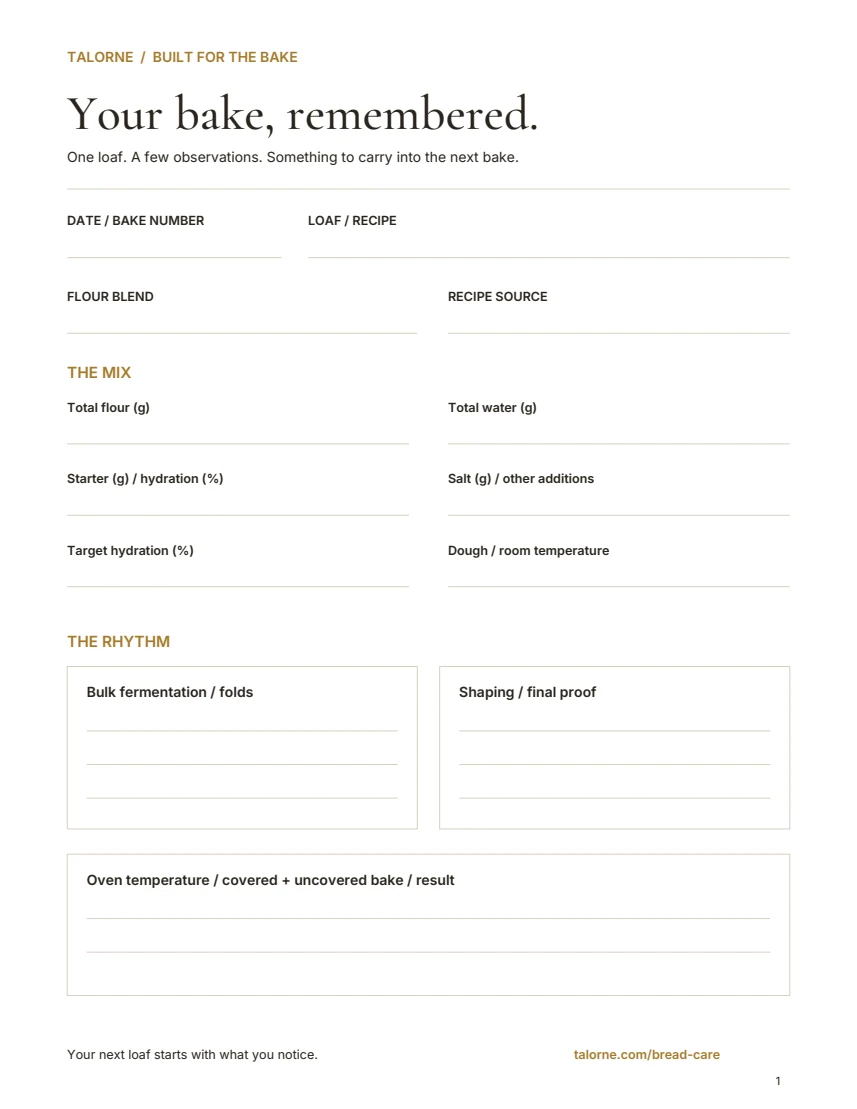
A LITTLE EXTRA, FROM TALORNE
Your next bake,
remembered.
The flour you chose. The fold that worked. The crumb you want to make again. Keep a small record of your baking ritual with our two-page Bake & Loaf Journal.
- Mix, fermentation and bake notes
- Crust, crumb and storage observations
- One thoughtful change for the next loaf
Free PDF · 2 pages · No sign-up needed
THE SEPTEMBER EDIT
This month at the bread board.
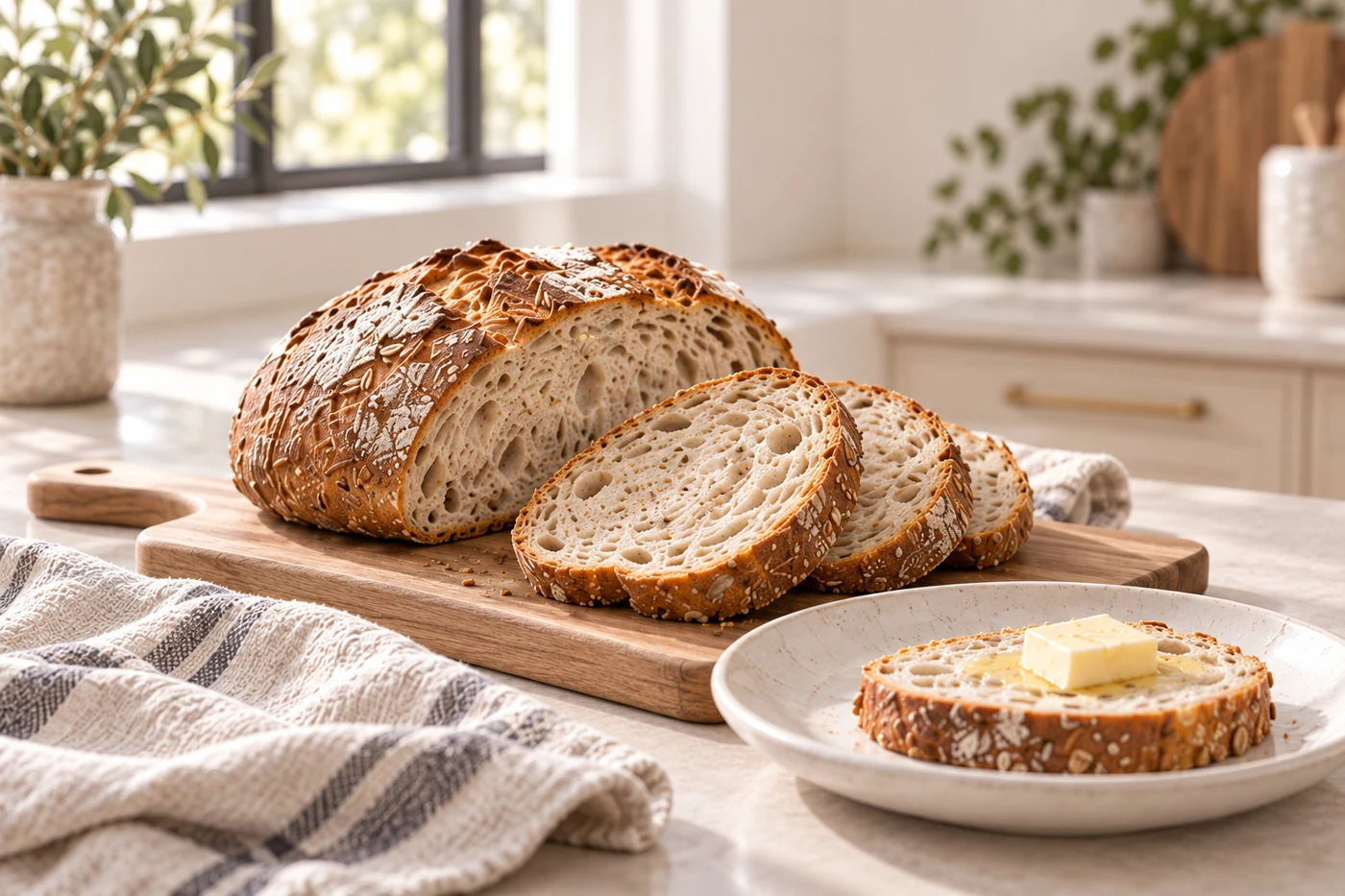
A loaf to share.
A moment to keep.
This month’s small ritual: bring a loaf to the table, make the honey-lemon butter plate, and write down one thing you enjoyed about the bake.
A LITTLE MORE HELP
We’re here for your next loaf.
Product questions
Ask about your bag, its closure or its care. Include a description of what you’re noticing.
Orders & honest feedback
For delivery, returns or replacement options, use your Amazon order page. If you choose to leave a review, share your honest experience.
Our care references
Bag instructions follow the approved TALORNE insert and product artwork. General bread guidance draws on King Arthur Baking; mold guidance follows USDA. For egg dishes, see the safe cooking temperature guide.